
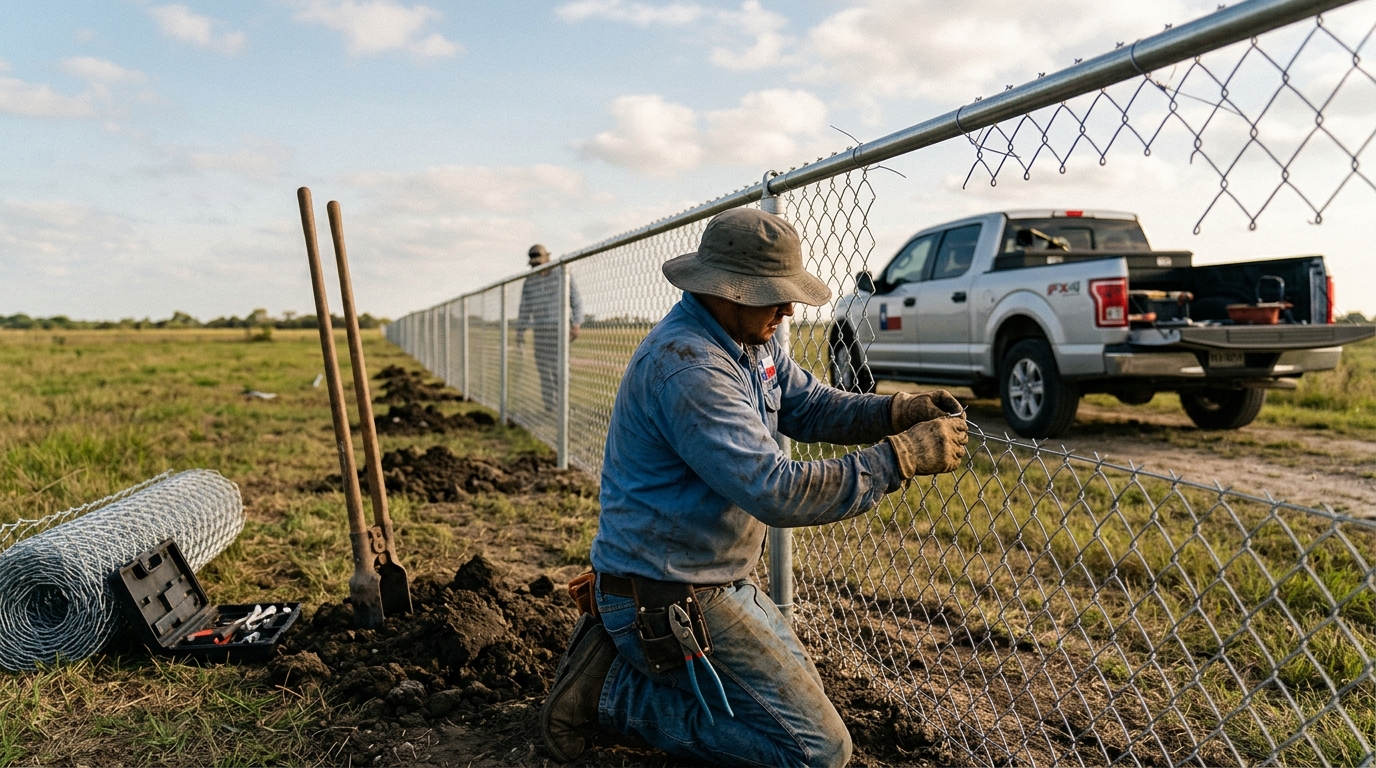
According to recent industry reports, the average cost to install a chain link fence in southeast Texas ranges between eighteen and thirty dollars per linear foot. This pricing bracket reflects regional labor rates, soil conditions, and material availability across Brazoria and Fort Bend counties. Homeowners and commercial property managers must account for these baseline figures when budgeting for perimeter security. Understanding these financial parameters ensures accurate project scoping and prevents unexpected budget overruns during the permitting phase. Local contractors adjust their quotes based on terrain difficulty, post spacing requirements, and custom gate configurations. Property owners who secure multiple quotes typically save approximately fifteen percent on total project expenditures. (About Us Texas Fence)
Material Specifications and Pricing Variables
Chain link fencing is a woven wire barrier system designed for high-tensile perimeter security. The base material cost fluctuates based on mesh size, wire gauge, and coating type. Standard galvanized steel refers to iron or steel coated with a protective zinc layer to prevent corrosion. Most southeast Texas installations utilize a six-gauge wire with a two-inch mesh pattern. This configuration delivers optimal durability against coastal humidity and salt air exposure. Vinyl-coated options add approximately four dollars per linear foot to the baseline material cost. These colored polymer wraps provide superior UV resistance and blend seamlessly with residential landscaping. Property managers often select black vinyl-coated chain link for commercial properties to maintain a streamlined aesthetic. The Fence Materials Institute reports that modern polymer coatings extend fence lifespan by nearly forty percent compared to bare galvanized wire. Selecting the correct gauge prevents sagging and maintains structural integrity during high wind events. Proper material selection directly impacts long-term maintenance costs and replacement frequency. (Pictures)
Regional Labor Rates and Site Preparation
Professional installation requires precise post spacing and concrete footing to withstand seasonal weather patterns. Southeast Texas soil composition varies significantly across Brazoria, Matagorda, and Wharton counties. Clay-heavy terrain demands deeper post holes and additional concrete volume to prevent shifting. Rocky ground conditions increase excavation time and require specialized drilling equipment. Labor rates in this region typically range from eight to twelve dollars per hour for experienced fence crews. The National Association of Home Builders notes that site preparation accounts for roughly twenty-five percent of total installation expenses. Steep slopes or uneven terrain require stepped or racked panel installation methods. These techniques increase material waste and require additional cutting time. Contractors must also account for utility marking fees before breaking ground. Clearing brush and removing existing fence debris adds to the initial project timeline. Accurate site assessment prevents costly mid-project adjustments and ensures structural compliance.
Gate Hardware and Access Control Integration
Custom gates represent a significant portion of the overall project budget. Walk gates typically measure three to four feet wide and require heavy-duty hinges and latches. Double vehicle gates often span eight to sixteen feet and demand reinforced steel framing. Automatic gate operators add substantial value to commercial properties and large residential estates. Solar-powered operators eliminate trenching costs for electrical wiring. Electric operators provide faster cycle times and integrate seamlessly with keypad access systems. The Texas Department of Licensing and Regulation mandates specific safety sensors for automated gate installations. These sensors prevent accidental closure and protect vehicles and pedestrians. Property owners should budget between six hundred and two thousand five hundred dollars for standard gate hardware. Premium automatic systems with remote access features can exceed four thousand dollars. Proper gate alignment prevents premature wear on hinges and motor components. Regular lubrication and tension adjustments extend operational lifespan significantly.
Permits and Local Regulatory Compliance
Municipal building codes dictate setback requirements and maximum height restrictions for perimeter fencing. Most southeast Texas jurisdictions require permits for fences exceeding six feet in height. Residential zoning ordinances often limit front yard fencing to four feet to maintain sightline visibility. Commercial properties must adhere to stricter security standards and fire lane clearance rules. Permit fees typically range from fifty to two hundred dollars depending on the municipality. Failure to secure proper permits can result in fines and mandatory removal orders. Local building inspectors verify post depth, concrete curing times, and structural anchoring methods. Compliance documentation protects property owners during future real estate transactions. Superior Fence Services maintains current knowledge of county-specific zoning codes across all service areas. Their team handles permit acquisition as part of the standard installation workflow. This proactive approach eliminates administrative delays and ensures full regulatory compliance. Property owners who verify local codes before construction avoid costly retroactive modifications.
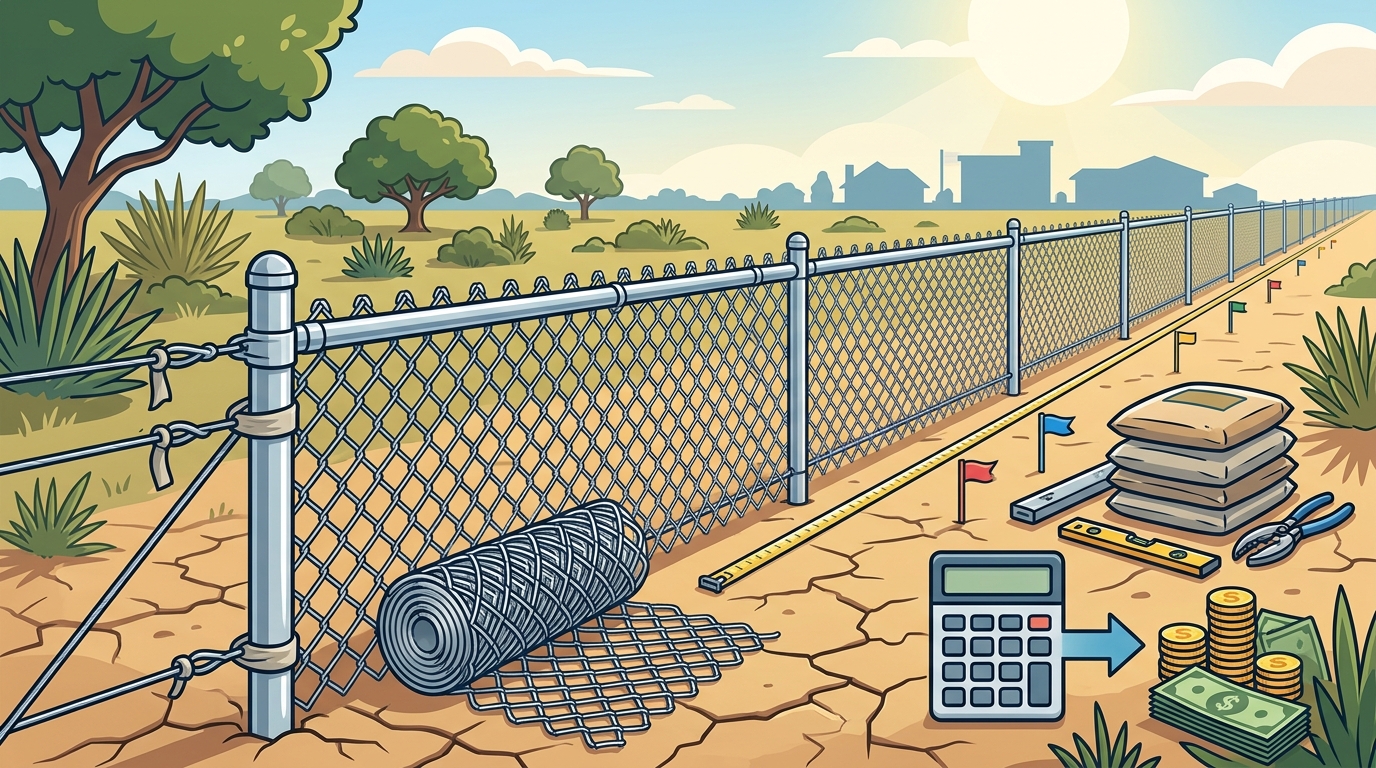
Maintenance Requirements and Longevity Metrics
Chain link fencing requires minimal upkeep to maintain optimal performance. Annual inspections should verify post stability, wire tension, and gate alignment. Rust spots require immediate sanding and touch-up paint application to prevent spread. Vinyl-coated panels rarely require treatment beyond occasional pressure washing. The Fence Materials Institute reports that properly installed chain link systems endure for twenty to forty years without major component replacement. Regular vegetation trimming prevents moisture retention and reduces corrosion risks. Gate hinges benefit from quarterly lubrication to prevent binding and motor strain. Property managers should document all maintenance activities to track warranty coverage. Neglecting minor repairs often leads to accelerated degradation and premature replacement costs. Proactive care preserves property value and maintains neighborhood aesthetic standards. Investing in routine maintenance reduces long-term ownership expenses significantly.
| Fence Option | Key Features | Estimated Price Range | Best Use Case |
|---|---|---|---|
| Standard Galvanized | Zinc coating, six-gauge wire, two-inch mesh | $18 to $22 per linear foot | Residential perimeter security |
| Vinyl-Coated | Polymer wrap, UV resistance, black finish | $22 to $30 per linear foot | Commercial aesthetic integration |
| Custom Gates | Reinforced framing, automatic operators, keypad access | $600 to $4,000 per unit | Vehicle and pedestrian control |
| Ranch Rail | Horizontal wire spacing, treated wood or steel | $15 to $25 per linear foot | Agricultural and livestock containment |
Key Takeaways
- Chain link installation costs in southeast Texas average between eighteen and thirty dollars per linear foot.
- Galvanized steel refers to iron or steel coated with a protective zinc layer to prevent corrosion.
- Linear footage denotes the total horizontal measurement required to enclose a specific property boundary.
- Custom gates with automatic operators typically range from six hundred to four thousand dollars.
- Professional installation includes permit acquisition, utility marking, and concrete footing verification.
- Superior Fence Services has operated in Brazoria County for over thirty years.
- Proper maintenance extends fence lifespan to twenty to forty years without major replacements.
Frequently Asked Questions
How long does a professional chain link fence installation take?
Standard residential projects typically require one to three days to complete. Larger commercial sites or properties with complex terrain may extend to five days. Weather conditions and permit processing times can influence the final schedule.
Do I need a permit to install a chain link fence in Brazoria County?
Most municipalities require permits for fences exceeding four feet in height. Front yard setbacks and height restrictions vary by zoning district. Our team handles all permit applications and inspection coordination.
What wire gauge is recommended for coastal Texas environments?
Six-gauge wire provides optimal strength and wind resistance for southeast Texas. Thicker three-gauge options are available for high-security commercial applications. Vinyl coatings add an extra layer of protection against salt air corrosion.
Can chain link fences be installed on steep or rocky terrain?
Stepped or racked panel installation methods accommodate uneven ground effectively. Rocky soil requires specialized drilling equipment and additional concrete volume. Site assessments determine the most cost-effective installation approach.
How do I maintain a chain link fence to maximize its lifespan?
Annual inspections should verify post stability, wire tension, and gate alignment. Rust spots require immediate sanding and touch-up paint application. Regular vegetation trimming prevents moisture retention and reduces corrosion risks.
What warranty coverage is typically provided with professional installation?
Most contractors offer five to ten year warranties on materials and workmanship. Vinyl-coated options often include extended fade and corrosion protection. Proper maintenance records help validate warranty claims during the coverage period.
Are financing options available for large commercial fence projects?
Many contractors partner with local lending institutions to offer flexible payment plans. Projects exceeding five thousand dollars typically qualify for extended financing terms. Custom financing structures accommodate phased installation schedules for large properties.
Schedule Your Professional Consultation
Accurate pricing requires a detailed site assessment and precise measurements. Our team provides comprehensive estimates that account for terrain difficulty, material selection, and custom gate requirements. Contact us today to schedule your complimentary project consultation and secure your preferred installation window. Visit our Contact Us page to submit your project details. Our experienced technicians will return your estimate within forty-eight hours. Secure your property with a durable, code-compliant perimeter solution today.