
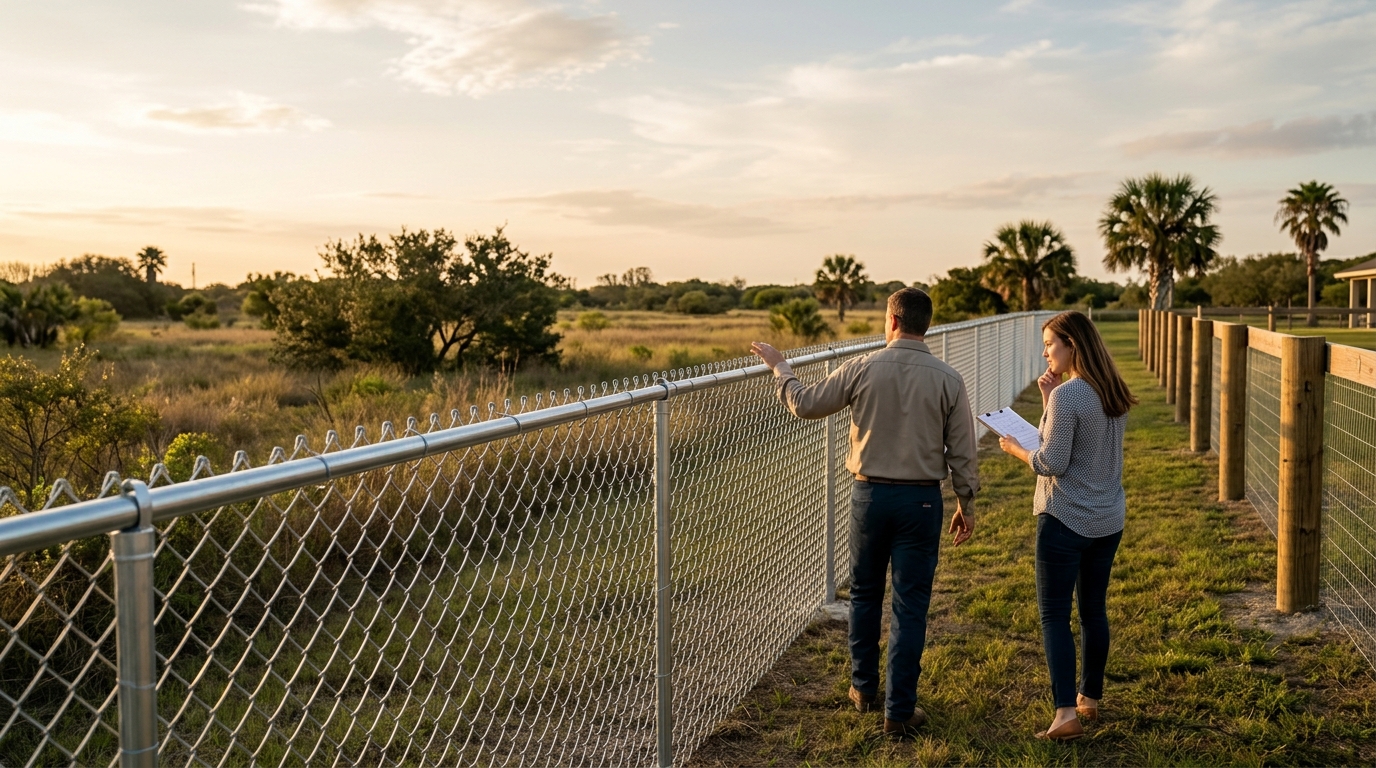
Homeowners and business owners in Houston, Beaumont, and Galveston are increasingly prioritizing durable perimeter security. According to recent industry data, the average cost to install a chain link fence in Southeast Texas ranges from $15 to $30 per linear foot. This price range reflects the region's specific labor rates, material availability, and the unique environmental challenges posed by coastal humidity and soil composition. Understanding these variables is critical for accurate budgeting and avoiding unexpected overruns during your project.
Material Selection and Gauge Impact
The foundation of any successful fencing project lies in the quality of the materials selected. Chain link fencing is not a monolithic product. It varies significantly in gauge, coating, and mesh size. The gauge refers to the thickness of the steel wire. A lower gauge number indicates a thicker, more durable wire. For residential properties in Southeast Texas, a 9-gauge or 11-gauge wire is standard. Commercial properties often require 6-gauge wire for maximum security.
Galvanized steel is the most common material choice. Galvanized steel is steel that has been coated with a layer of zinc to prevent rust and corrosion. This is particularly important in Southeast Texas due to the high humidity levels near the Gulf Coast. Without proper galvanization, steel fences can deteriorate rapidly in this climate. Some homeowners opt for vinyl-coated chain link for aesthetic reasons. Vinyl-coated chain link is a galvanized steel fence covered with a protective polymer layer. This option offers superior color retention and an additional barrier against moisture.
When selecting materials, consider the mesh size. Standard mesh sizes are 2 inches or 3 inches. Smaller mesh sizes provide better containment for pets and smaller animals. Larger mesh sizes are more cost-effective for general boundary marking. The choice of post caps and rail caps also affects the final price. These small components protect the tops of posts from water accumulation, extending the lifespan of the structure.
Southeast Texas Regional Cost Factors
Location plays a decisive role in the final installation cost. Southeast Texas presents unique challenges that differ from other regions in the state. The soil composition in areas like Harris, Jefferson, and Galveston counties is often clay-heavy or sandy. Clay soil is dense and difficult to dig through, requiring more labor hours and heavier equipment. Sandy soil, common near the coast, may require deeper post holes for stability to prevent leaning.
Accessibility is another critical factor. If your property is difficult to access due to narrow gates, steep slopes, or dense vegetation, labor costs will increase. Contractors must spend more time maneuvering materials and equipment. Additionally, local permit requirements in cities like Houston or The Woodlands may add to the initial cost. Some municipalities require permits for fences over a certain height. Checking local zoning laws before starting your project is essential to avoid fines or forced removal.
Weather delays can also impact pricing. The hurricane season in Texas runs from June 1 to November 30. Scheduling your installation outside of this window can sometimes result in better availability and potentially lower labor rates. However, many contractors maintain year-round operations to meet demand. Understanding the local market dynamics helps in negotiating fair prices with providers like Superior Fences.
The Installation Process Explained
A professional installation ensures the longevity and security of your fence. The process begins with a thorough site survey. During this phase, the contractor marks the property lines and identifies any underground utilities. Utility marking is a critical safety step. It prevents accidental damage to gas, water, or electrical lines during digging.
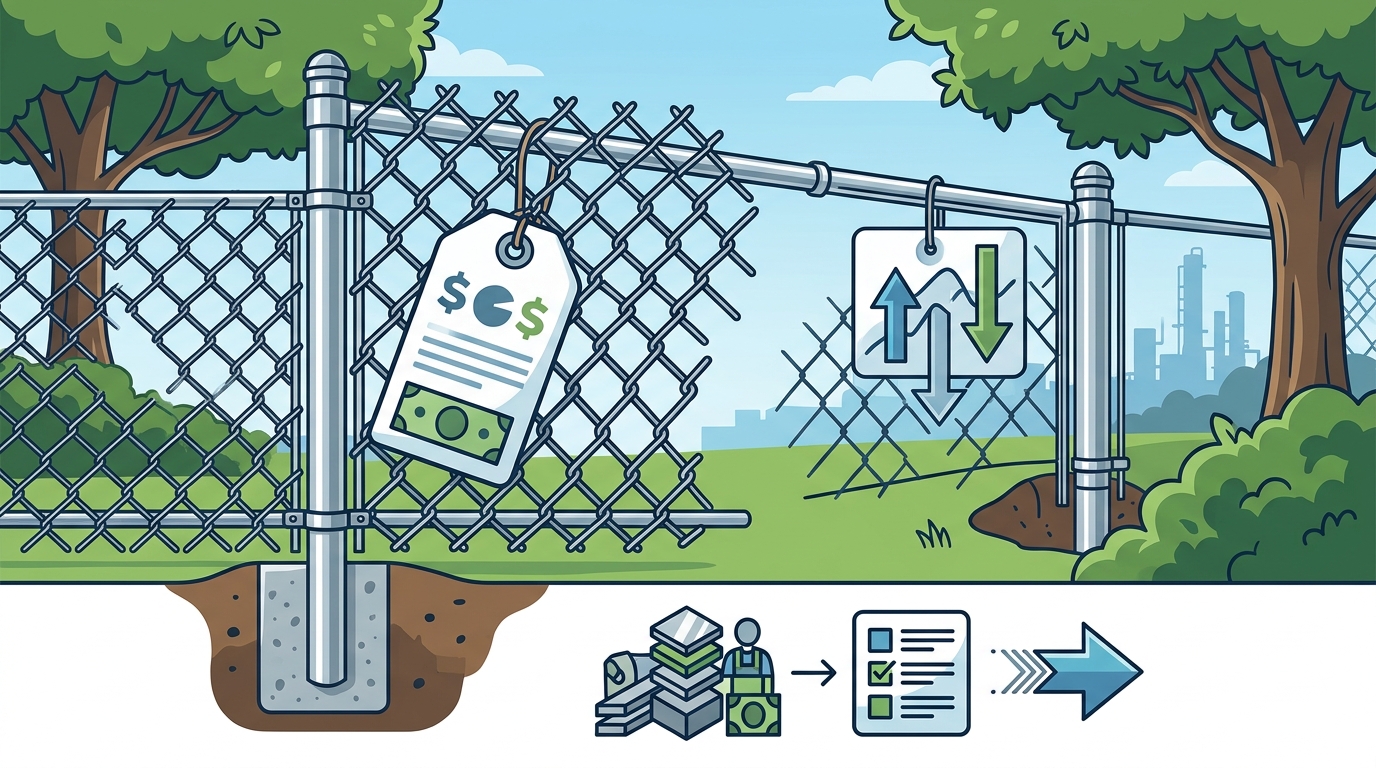
Next, the contractor digs post holes. The depth of these holes depends on the fence height and soil type. A general rule is to dig holes one-third the height of the post. For a six-foot fence, holes should be approximately two feet deep. Concrete is then poured into the holes to secure the posts. Concrete provides a stable foundation that resists shifting and settling over time.
Once the posts are set and cured, the chain link fabric is unrolled and attached. The fabric is tensioned using a tension bar and wire to ensure it remains tight and wrinkle-free. Gates are installed at designated entry points. The final step involves attaching caps to the posts and adjusting the gate latches. A properly installed fence should stand straight and tight. For expert installation services, visit our company profile to learn about our certified team.
Detailed Cost Breakdown by Fence Height
Understanding the cost per linear foot helps in budgeting for your specific needs. The following table outlines the estimated costs for different fence heights in Southeast Texas. These estimates include materials and professional installation.
| Fence Height | Estimated Cost Per Linear Foot | Common Use Case |
|---|---|---|
| 4 Feet | $15 - $20 | Decorative boundaries, small pet containment |
| 6 Feet | $20 - $30 | Residential privacy, standard security |
| 8 Feet | $25 - $35 | Commercial security, industrial sites |
| 10 Feet+ | $30 - $45 | High-security perimeters, anti-climb needs |
These prices are averages and can vary based on the specific gauge and coating options selected. For example, upgrading from a 9-gauge to a 6-gauge wire can increase the material cost by 20 to 30 percent. Similarly, choosing a vinyl coating over standard galvanized finish may add $2 to $5 per linear foot. It is important to get multiple quotes to ensure you are receiving a fair price for the quality of materials used.
Long-Term Maintenance and Durability
One of the primary advantages of chain link fencing is its low maintenance requirement. However, regular inspections are necessary to maintain its integrity. In Southeast Texas, vegetation control is a key maintenance task. Roots from nearby trees can damage the fence line. Keeping a clear zone around the fence prevents this issue.
Rust prevention is another critical aspect. Even galvanized fences can develop rust spots if the coating is scratched or damaged. Touching up these spots with a rust-inhibiting paint or spray can extend the fence's life. Checking gate hinges and latches regularly ensures they function smoothly. Lubricating these parts with a silicone-based lubricant prevents sticking and corrosion.
Storm damage is a concern in this region. High winds can bend posts or tear the fabric. After severe weather events, inspect the fence for any signs of damage. Prompt repairs prevent minor issues from becoming major problems. For ongoing maintenance tips, check out our blog resources.
Key Takeaways
- The average cost to install a chain link fence in Southeast Texas is between $15 and $30 per linear foot.
- Galvanized steel is recommended for coastal areas to resist humidity and salt air corrosion.
- Soil composition, such as clay or sand, significantly impacts labor costs and installation depth.
- 6-foot fences are the most common choice for residential properties in the region.
- Regular maintenance includes vegetation control and rust spot treatment to ensure longevity.
- Permit requirements vary by municipality, so check local zoning laws before starting.
- Professional installation ensures proper post depth and tension, preventing future leaning or sagging.
Frequently Asked Questions
How long does it take to install a chain link fence in Houston?
Most residential chain link fence installations in Houston are completed within one to two days. The timeline depends on the linear footage and site conditions. Larger commercial projects may take several days to complete.
Is chain link fence allowed in all Houston neighborhoods?
Chain link fences are generally allowed, but some homeowner associations (HOAs) may have restrictions on color or style. Always check with your HOA before installation to ensure compliance with community guidelines.
Can I install a chain link fence myself to save money?
While DIY installation is possible, it requires specialized tools and expertise. Improper installation can lead to leaning posts and loose fabric. Professional installation ensures durability and often comes with a warranty.
How does humidity affect chain link fences in Southeast Texas?
High humidity accelerates rust formation on steel. Using galvanized or vinyl-coated chain link is essential to prevent corrosion. Regular inspections help identify early signs of rust for timely treatment.
What is the lifespan of a chain link fence in this climate?
A properly installed and maintained chain link fence can last 20 to 30 years or more in Southeast Texas. The lifespan depends on the gauge of the wire, the quality of the galvanization, and the level of maintenance performed.
Do I need a permit to install a fence in Galveston?
Permit requirements vary by city and county. Galveston may require permits for fences over a certain height or in specific zones. Contact the local building department for accurate information before proceeding.
How much does it cost to remove an old fence?
Fence removal costs typically range from $5 to $10 per linear foot. This price includes labor and disposal fees. Removing an old fence before installing a new one is often necessary for proper post placement.
Get Your Free Quote
Ready to secure your property with a durable and cost-effective chain link fence? Superior Fences offers expert installation services across Southeast Texas. Our team provides detailed estimates and high-quality materials tailored to your specific needs. Contact us today to schedule your consultation and receive a competitive quote for your project.