
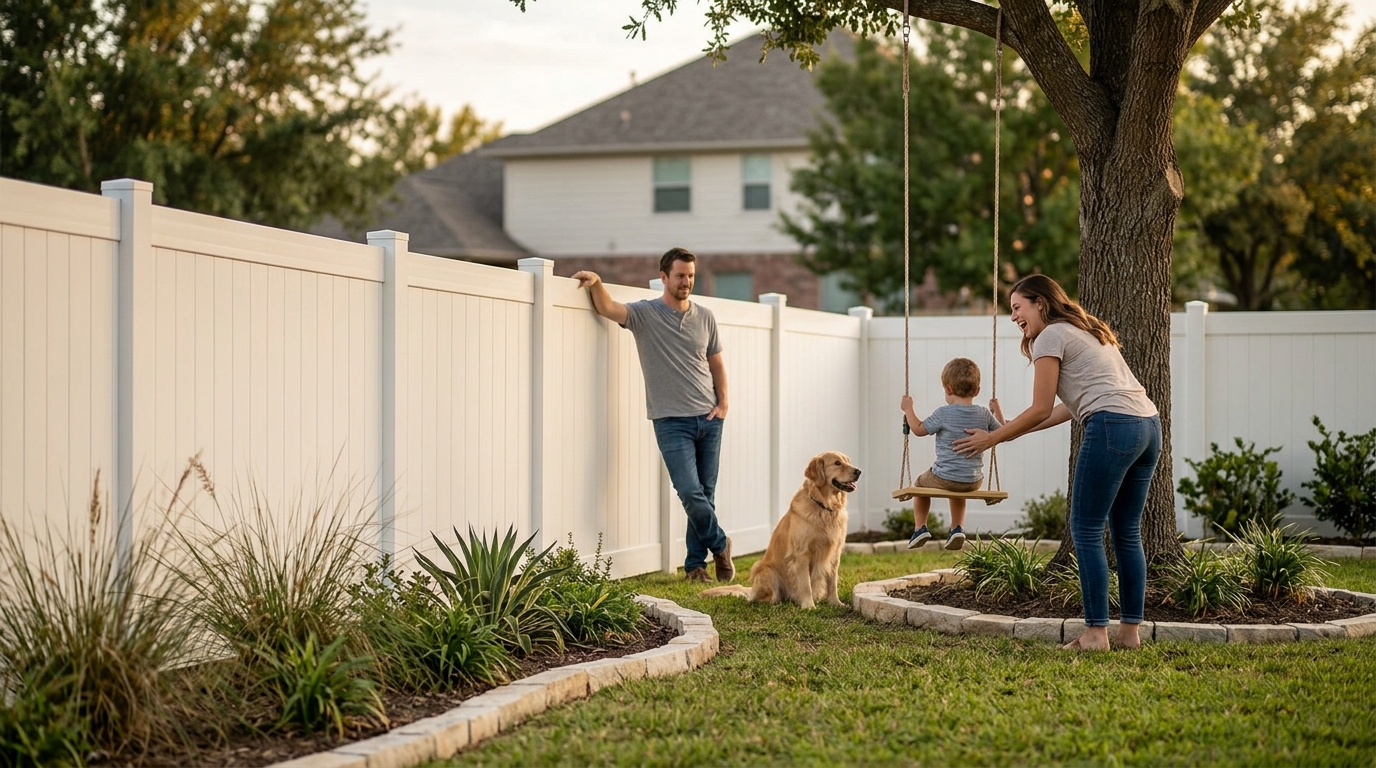
Vinyl Fencing Benefits for Residential Properties: A Complete 2026 Guide
Homeowners are increasingly prioritizing low-maintenance exterior solutions that enhance curb appeal without demanding constant upkeep. Recent industry data indicates that vinyl fencing installations have grown by over 15% annually in the last five years, driven by consumer demand for durability and aesthetic consistency. This shift reflects a broader trend where property owners seek long-term value over short-term savings. Understanding the specific advantages of vinyl is essential for making an informed investment decision that protects your home and increases its market value.
Durability and Weather Resistance
Vinyl fencing is engineered to withstand harsh environmental conditions that typically degrade traditional materials. Unlike wood, which absorbs moisture and swells, vinyl is non-porous and resistant to rot, decay, and insect damage. This structural integrity ensures that the fence maintains its shape and strength for decades. According to the American Society for Testing and Materials, high-quality vinyl resists UV degradation when properly formulated with titanium dioxide. This additive prevents the material from becoming brittle or fading under intense sunlight exposure.
Homeowners in regions with heavy rainfall or high humidity benefit significantly from this resistance. The material does not warp, crack, or splinter, even during extreme temperature fluctuations. This reliability reduces the need for frequent repairs that are common with wooden counterparts. For detailed insights on material science, you can review studies from the Plastics Industry Association regarding polymer longevity.
Zero Maintenance Requirements
One of the most compelling advantages of vinyl fencing is the complete elimination of routine maintenance tasks. Traditional wood fences require annual staining, sealing, or painting to prevent weathering. Vinyl fencing requires only occasional cleaning to remove dirt, pollen, or mildew. A simple rinse with a garden hose or a wash with mild soap and water is sufficient to restore its original appearance. This convenience saves homeowners hundreds of hours and significant labor costs over the lifespan of the fence.
The absence of chemical treatments also makes vinyl a safer choice for families with children and pets. There is no risk of splinters or exposure to toxic preservatives often found in treated wood. For more information on home improvement trends, the Bisnow Real Estate Network frequently highlights low-maintenance upgrades as key drivers in property valuation.
Aesthetic Versatility and Curb Appeal
Vinyl fencing offers a wide range of styles, colors, and textures to complement any architectural design. Modern manufacturing techniques allow vinyl to mimic the look of wood grain, stone, or even wrought iron with remarkable accuracy. This versatility enables homeowners to achieve a custom look without the associated upkeep. The material is available in various heights and picket styles, providing flexibility for privacy or decorative purposes.
Furthermore, vinyl fencing maintains its color consistency over time. Unlike painted wood that chips and fades, the color is extruded throughout the entire thickness of the panel. This means that minor scratches are less noticeable and do not require touch-up paint. Superior Fences provides a curated selection of styles designed to enhance residential aesthetics. Explore our project gallery to see real-world installations and visualize the potential for your property.
Long-Term Cost Analysis
While the initial investment in vinyl fencing may be higher than wood or chain link, the total cost of ownership is often lower. The savings accumulate through the elimination of maintenance costs, such as stains, sealants, and labor. Additionally, vinyl fencing has a longer lifespan, reducing the frequency of replacement. Industry reports suggest that vinyl fencing can last 30 years or more with minimal intervention. This longevity provides a strong return on investment for property owners.
When comparing options, it is crucial to consider the quality of the vinyl. Thicker, multi-wall vinyl panels offer greater durability and resistance to impact. Cheaper, single-wall options may crack or warp over time. Investing in premium materials ensures that the fence remains a valuable asset rather than a recurring expense. Learn more about our fencing services to understand how we balance quality and cost for our clients.
Installation and Structural Integrity
Proper installation is critical to maximizing the benefits of vinyl fencing. The material requires precise spacing and alignment to allow for thermal expansion and contraction. Professional installers use specialized techniques to ensure that posts are set at the correct depth and angle. This attention to detail prevents sagging, leaning, or structural failure over time. Superior Fences employs certified technicians who adhere to strict industry standards for every project.
The installation process is also faster than traditional wood fencing. Pre-assembled panels can be quickly attached to posts, reducing labor time and disruption to your property. This efficiency translates to lower installation costs and quicker project completion. For expert advice on installation best practices, refer to guidelines from the Vinyl Fencing Association.
Vinyl vs. Wood: Key Differences
Choosing between vinyl and wood fencing depends on specific priorities such as budget, aesthetics, and maintenance tolerance. The table below summarizes the primary differences to help you make an informed decision.
| Feature | Vinyl Fencing | Wood Fencing |
|---|---|---|
| Maintenance | Low (Occasional Cleaning) | High (Annual Staining/Sealing) |
| Lifespan | 30+ Years | 10-20 Years |
| Resistance to Rot | High | Low (Requires Treatment) |
| Color Consistency | Consistent | Fades Over Time |
| Initial Cost | Higher | Lower |
Wood offers a natural look that some homeowners prefer, but it demands significant ongoing care. Vinyl provides a consistent, clean appearance with minimal effort. For a detailed comparison of materials, visit our vinyl vs. wood guide.
Key Takeaways
- Vinyl fencing requires zero staining, sealing, or painting, saving homeowners significant time and money.
- The material is resistant to rot, insects, and moisture, ensuring long-term structural integrity.
- Modern vinyl can mimic wood grain, offering aesthetic versatility without the associated upkeep.
- High-quality vinyl fencing can last 30 years or more, providing a strong return on investment.
- Professional installation is critical to accommodate thermal expansion and prevent structural issues.
- Vinyl is a safer option for families, as it does not splinter or contain toxic chemicals.
- Superior Fences offers premium materials and certified installation services for residential properties.
Frequently Asked Questions
Is vinyl fencing eco-friendly?
Vinyl fencing is recyclable and does not require the use of toxic preservatives or paints. Many manufacturers use recycled materials in the production process, reducing environmental impact. For more on sustainability, see the EPA Environmental Guidelines.
How long does vinyl fencing last?
High-quality vinyl fencing can last 30 years or more with minimal maintenance. The lifespan depends on the thickness of the material and the quality of installation.
Can vinyl fencing be painted?
While it is possible to paint vinyl, it is generally not recommended. The paint may not adhere properly and can void the warranty. Cleaning is usually sufficient to maintain its appearance.
Does vinyl fencing fade in the sun?
Premium vinyl fencing includes UV inhibitors that prevent fading and brittleness. Lower-quality vinyl may fade over time, so it is important to choose a reputable manufacturer.
Is vinyl fencing noisy in the wind?
Unlike wood or metal, vinyl fencing does not creak or rattle in the wind. This makes it a quieter and more peaceful option for residential properties.
How do I clean vinyl fencing?
Use a garden hose to rinse off dirt and debris. For stubborn stains, use a mixture of mild soap and water with a soft brush. Avoid abrasive cleaners that can scratch the surface.
What is the average cost of vinyl fencing?
The cost varies based on height, style, and material quality. On average, homeowners can expect to pay between $20 and $40 per linear foot for installed vinyl fencing. Contact us for a free quote tailored to your specific needs.
Secure Your Property with Superior Fences
Investing in vinyl fencing is a smart decision for homeowners seeking durability, aesthetics, and low maintenance. Superior Fences is dedicated to providing top-quality materials and expert installation services. Our team is ready to help you transform your property with a fence that stands the test of time. Contact us today to schedule a consultation and discover the benefits of vinyl fencing for your home.