
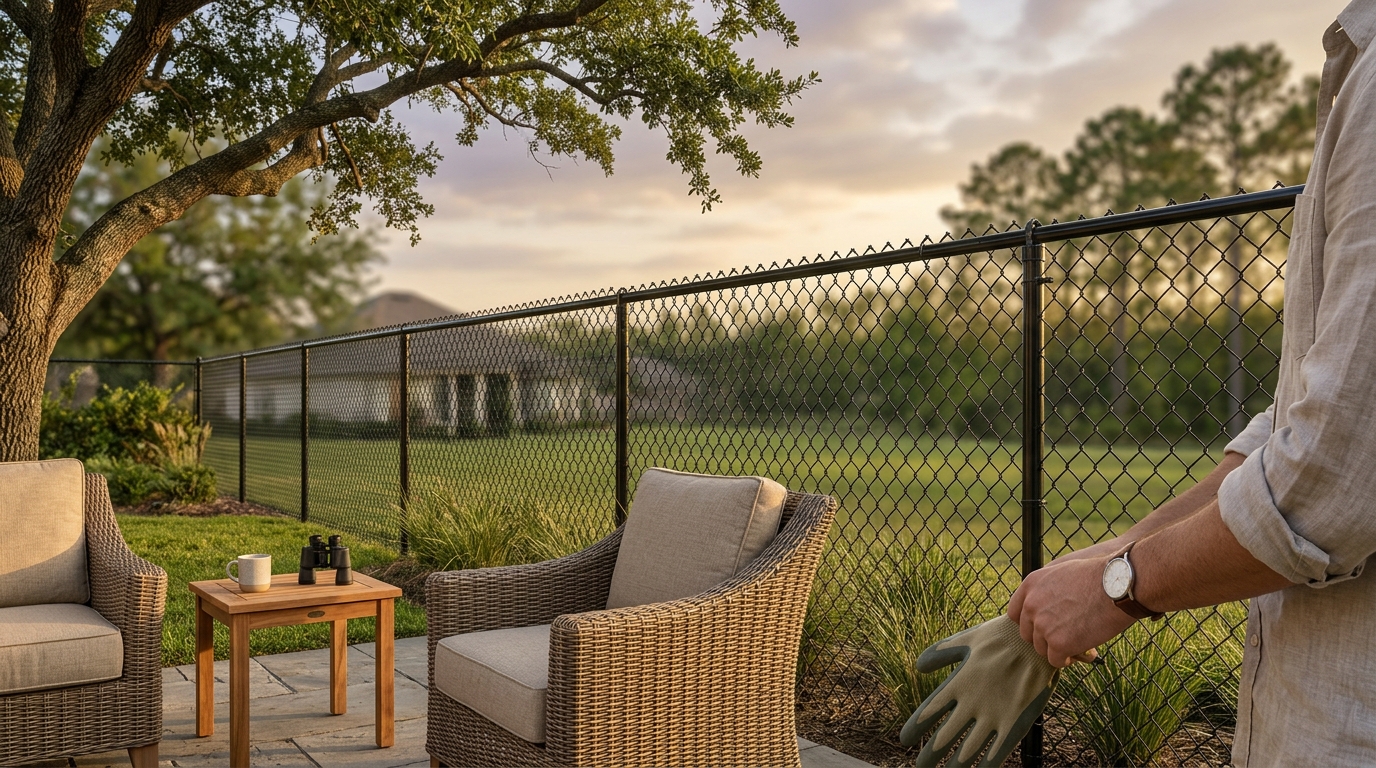
Homeowners and business owners in Houston, Beaumont, and Galveston are increasingly prioritizing durable perimeter security amid rising property values. According to recent industry analyses, the average cost to install a chain link fence in Southeast Texas ranges from $15 to $30 per linear foot, depending on height, gauge, and terrain complexity. This price range reflects the region's specific labor market and material logistics. Understanding these variables is critical for accurate budgeting. This guide breaks down every cost driver to help you make an informed decision.
Material Specifications and Gauge Impact
The quality of the chain link fabric is the primary determinant of your fence's longevity and cost. In Southeast Texas, where humidity and salt air can accelerate corrosion, material selection is not just a preference but a necessity for durability. Galvanized steel is the industry standard for coastal environments. This coating protects the metal from rust, ensuring the fence withstands the harsh Gulf Coast climate for decades.
Chain link fabric is measured in gauge, with lower numbers indicating thicker, stronger wire. A 9-gauge fence is significantly more robust than a 11-gauge option. For residential properties, 11-gauge is often sufficient, but commercial clients in Houston typically require 9-gauge or even 6-gauge for high-security zones. The difference in material cost is substantial, but the reduction in long-term maintenance makes the higher initial investment worthwhile.
Another critical component is the post type. Aluminum posts are lightweight and rust-proof but can be less stable in soft soil. Steel posts, particularly those with a galvanized coating, offer superior strength. At Superior Fences, we recommend steel posts for all permanent installations in this region to ensure structural integrity against high winds.
Height Requirements and Structural Needs
Height directly correlates with the amount of material and labor required. Standard residential chain link fences in Southeast Texas typically range from 4 to 6 feet. A 4-foot fence is common for backyard privacy boundaries or pet containment. However, as height increases, the need for heavier gauge wire and reinforced posts becomes critical.
For a 6-foot fence, the wind load in areas like Galveston or the Houston suburbs requires additional bracing. This often involves installing diagonal braces between posts to prevent sagging or collapse during storms. Higher fences also require deeper post holes. In the clay-heavy soil common to this area, posts must be set deep enough to prevent heaving during seasonal moisture changes.
Commercial properties often require 8-foot or taller fences for security and safety compliance. These installations demand specialized equipment and more rigorous engineering. The cost per linear foot increases significantly due to the need for heavier materials and more complex structural support. If you are looking for commercial fencing solutions, it is essential to consult with experts who understand local zoning and wind load regulations.
Terrain Challenges in Coastal Regions
Southeast Texas is not flat. The terrain varies from the sandy shores of the Gulf Coast to the clay-rich soils of inland Houston. This topographical diversity impacts installation costs in several ways. Sloped ground requires a stepped or contoured installation method. A stepped installation involves cutting the fence into horizontal sections that follow the slope, which increases labor time and material waste.
Rocky soil is another common challenge, particularly in older neighborhoods in Houston. Drilling post holes through rock requires specialized equipment, such as hydraulic rammers or augers with rock-cutting bits. This process is slower and more expensive than drilling through standard soil. If your property has significant rocky outcrops, expect the installation time to double in those sections.
Additionally, properties near the coast may face salt spray issues. While galvanized steel resists rust, the salt can still degrade the coating over time if not properly maintained. Superior Fences accounts for these environmental factors in our quotes, ensuring that your fence is built to last in the specific conditions of your property.
The Installation Process Explained
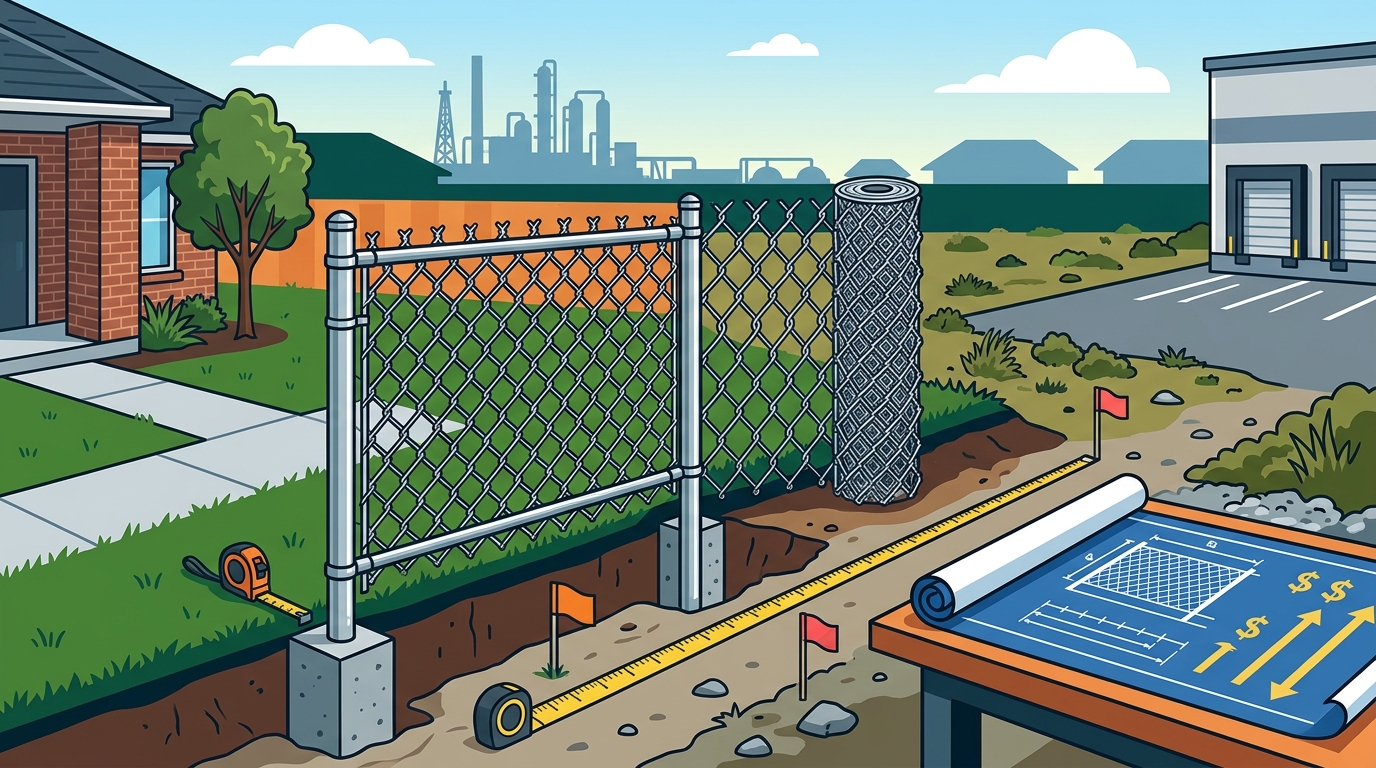
Understanding the installation process helps you anticipate potential delays and costs. The first step is a thorough site survey. This allows our team to identify obstacles like trees, utility lines, and steep slopes. Accurate measurement is crucial for avoiding material shortages or excess.
Next, the layout phase begins. We mark the post locations and dig the holes. The depth of these holes is determined by the frost line and soil type, though frost is less of a concern in Southeast Texas than in northern states. Soil stability is the primary concern here. Proper concrete footing is essential for long-term stability.
Once the posts are set and cured, the chain link fabric is unrolled and attached. This requires specialized tools to tension the fabric correctly. If the fabric is too loose, it will sag and look unprofessional. If it is too tight, it may damage the posts during wind events. The final step is installing the top rail and cap, which adds rigidity and a finished look to the fence.
Detailed Cost Breakdown by Size
To help you plan your budget, here is a detailed breakdown of estimated costs for common chain link fence sizes in Southeast Texas. These figures include materials and labor but may vary based on specific site conditions.
| Fence Height | Material Type | Estimated Cost Per Linear Foot | Best Use Case |
|---|---|---|---|
| 4 Feet | 11-Gauge Galvanized | $15 - $20 | Pet containment, light boundary |
| 6 Feet | 9-Gauge Galvanized | $20 - $28 | Residential privacy, security |
| 8 Feet | 9-Gauge Heavy Duty | $25 - $35 | Commercial security, industrial |
| 10 Feet | 6-Gauge Industrial | $30 - $45 | High-security zones, airports |
These estimates assume standard terrain. If your property requires extensive grading or rock removal, costs will increase. It is also important to note that fence maintenance can reduce long-term costs. Regular inspections and minor repairs can prevent costly replacements.
Key Takeaways
- Price Range: Expect to pay between $15 and $30 per linear foot for standard installations in Southeast Texas.
- Material Choice: Galvanized steel is essential for resisting the humidity and salt air of the Gulf Coast.
- Gauge Matters: Lower gauge numbers mean thicker wire. Use 9-gauge or lower for commercial or high-security needs.
- Terrain Impact: Rocky soil and sloped ground can significantly increase labor costs and installation time.
- Height Requirements: Taller fences require deeper posts and more robust bracing to withstand wind loads.
- Local Expertise: Working with a local provider like Superior Fences ensures compliance with local building codes and environmental challenges.
- Maintenance: Regular inspections can extend the life of your fence and protect your investment.
Frequently Asked Questions
How long does it take to install a chain link fence in Houston?
For a standard residential property, installation typically takes 1 to 3 days. Larger commercial projects or those with difficult terrain may take longer. The timeline depends on the size of the perimeter and weather conditions.
Is chain link fence worth it for privacy?
Standard chain link offers security but not privacy. However, you can add slats or attach privacy screens to create a private enclosure. This is a cost-effective way to gain privacy without the expense of wood or vinyl fences.
Do I need a permit to install a fence in Southeast Texas?
Most municipalities in Houston and surrounding areas require a permit for fence installation, especially if the fence exceeds a certain height or is placed near a street. Superior Fences can help you navigate the permitting process to ensure full compliance.
How does the gauge of the wire affect the price?
Lower gauge numbers indicate thicker, stronger wire, which costs more to produce. A 6-gauge fence is significantly more expensive than an 11-gauge fence due to the increased material weight and durability. Choose the gauge based on your security needs.
Can I install a chain link fence on a slope?
Yes, but it requires a specialized installation method. The fence can be stepped or contoured to follow the slope. This increases labor costs but ensures a secure and aesthetically pleasing result.
What is the lifespan of a galvanized chain link fence?
A properly installed galvanized chain link fence can last 20 to 30 years or more. In coastal areas, regular maintenance is crucial to prevent rust and corrosion. Contact us for a maintenance plan tailored to your property.
How do I choose between aluminum and steel posts?
Steel posts are stronger and more durable, making them ideal for high-security applications. Aluminum posts are rust-proof but less stable in soft soil. For most Southeast Texas properties, galvanized steel posts are the recommended choice.
Get Your Free Estimate
Ready to secure your property with a durable, cost-effective chain link fence? Contact Superior Fences today for a free, no-obligation estimate. Our team of experts will assess your property, recommend the best materials, and provide a transparent quote. Do not wait to invest in your property's security and value. Get started with Superior Fences now.