
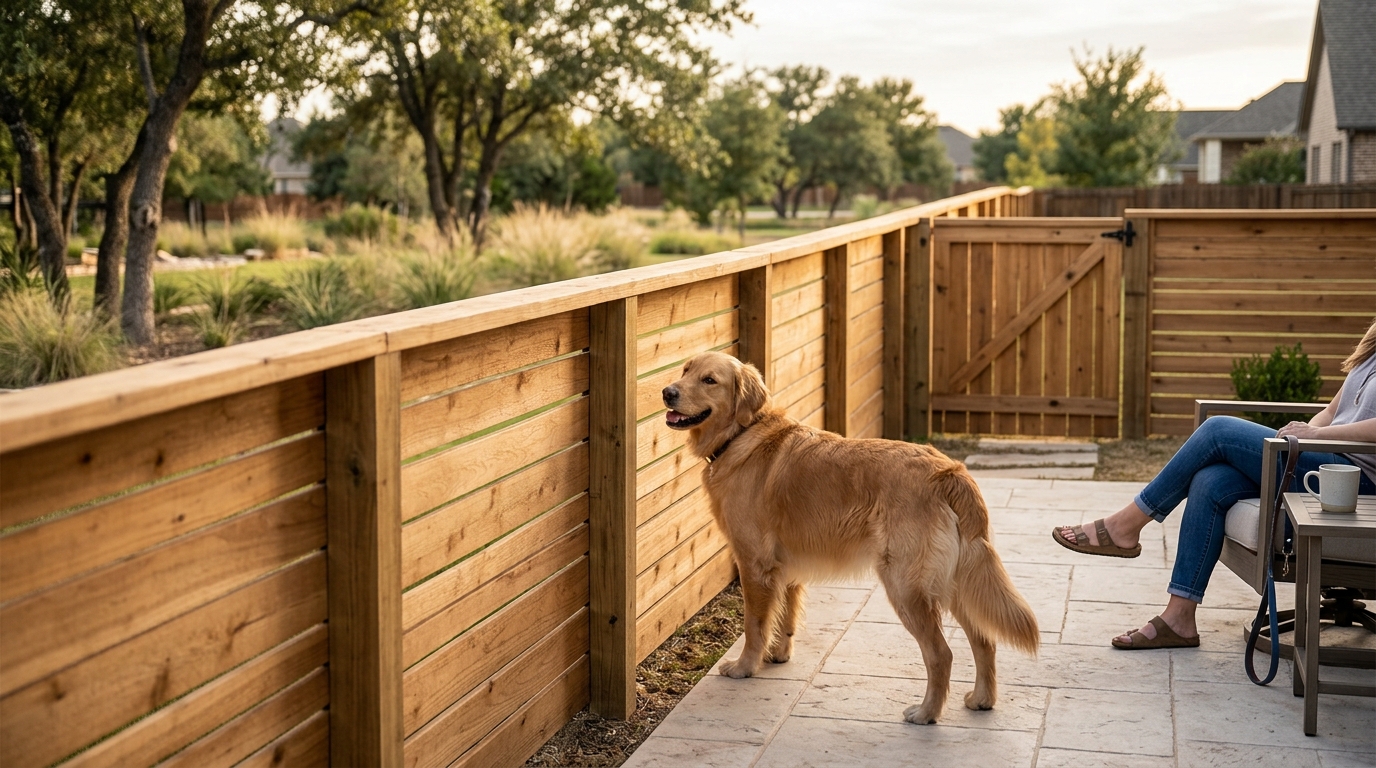
Keeping your pets safe requires more than just a boundary; it demands a structural barrier that withstands digging, jumping, and persistent pressure. According to the American Veterinary Medical Association, approximately 15% of dogs are lost at some point in their lives, with escape through inadequate fencing being a primary cause. This statistic highlights the critical need for robust containment solutions that prioritize both security and animal welfare. Choosing the wrong material can lead to costly injuries, lost time, and significant emotional distress for pet owners. This guide analyzes the top fencing options to ensure your furry companions remain safely within your property lines.
Why Standard Fences Often Fail
Many homeowners assume that any fence will suffice for pet containment. However, standard residential fencing often lacks the necessary height or structural integrity to stop determined animals. Dogs, in particular, possess instinctual drives to chase, dig, and climb. A fence that is only four feet tall is easily cleared by medium to large breeds. Furthermore, gaps at the base allow for underground escapes, while loose pickets provide leverage for climbing.
At Superior Fences, we observe that the most common failure points are not the materials themselves but the installation quality and design specifics. A fence must be viewed as a complete system including posts, gates, and ground integration. Ignoring these components leads to premature failure and compromised safety. Understanding these failure modes is the first step toward selecting a solution that actually works for your specific pet's behavior.
The Durability of Vinyl Fencing
Vinyl fencing has emerged as a premier choice for pet owners due to its combination of strength, low maintenance, and safety. Unlike wood, vinyl does not splinter, which prevents injuries to paws and noses. It is also resistant to chewing, a common destructive behavior in anxious or teething pets. The smooth surface makes it difficult for animals to get a grip, reducing the likelihood of climbing attempts.
Another significant advantage is longevity. According to industry data from the Vinyl Siding Institute, vinyl fencing can last up to 30 years with minimal upkeep. This durability ensures that the containment barrier remains intact over time, unlike wood which may rot or warp. The consistent color and texture also mean that scratches or scuffs are less visible, maintaining a clean aesthetic. For those seeking a premium vinyl fence installation, the initial investment pays off through reduced long-term maintenance costs.
Wood Fencing for Natural Aesthetics
Wood fencing remains a popular option for homeowners who prioritize natural beauty and privacy. Cedar and redwood are particularly favored for their natural resistance to insects and decay. These materials offer a classic look that blends seamlessly with most landscapes. However, wood requires regular maintenance to prevent rot and warping, which can create gaps in the fence line.
To make wood fencing effective for pets, specific design modifications are necessary. A solid panel design prevents pets from seeing through the fence, which can reduce barking and anxiety. Additionally, installing a concrete footer or burying the fence line deeper can prevent digging. At Superior Fences, we recommend using pressure-treated pine or high-grade cedar for maximum durability. Proper sealing and staining every few years are essential to preserve the structural integrity of the wood.
Chain Link for Maximum Visibility
Chain link fencing offers unparalleled visibility, allowing pet owners to monitor their animals at all times. This transparency is crucial for ensuring that pets are not trapped in hot spots or injured without immediate detection. While some homeowners dislike the industrial look, modern coatings and privacy slats can mitigate this concern. The open structure also allows for air circulation, which is beneficial in warmer climates.
However, chain link poses specific challenges for containment. Small dogs can squeeze through the gaps, while agile cats can climb the mesh. To address this, topping rails and coyote rollers are often installed to prevent climbing. For smaller pets, adding a secondary mesh barrier at the bottom prevents digging and squeezing. While durable and cost-effective, chain link requires careful planning to ensure it meets the specific needs of your pets.
Comparing Containment Options
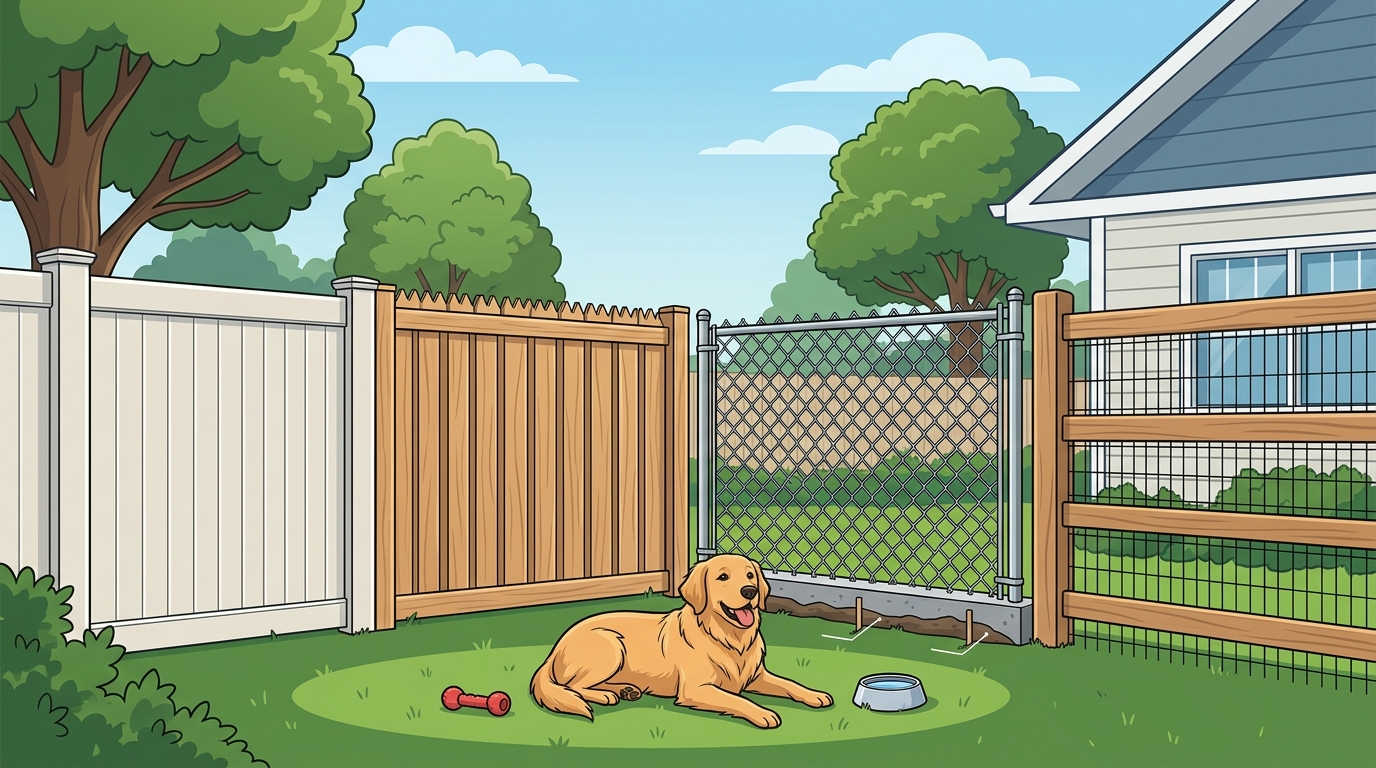
Selecting the right fence involves balancing safety, aesthetics, and budget. The following table compares the top three fencing materials based on key performance indicators for pet containment.
| Fence Type | Containment Security | Maintenance Level | Lifespan | Best For |
|---|---|---|---|---|
| Vinyl | High | Low | 20-30 Years | Low-maintenance, chew-resistant needs |
| Wood | Medium-High | High | 10-15 Years | Privacy, natural aesthetics |
| Chain Link | Medium | Low | 15-20 Years | Visibility, budget-conscious projects |
Key Takeaways
- Vinyl fencing offers the best balance of durability and safety for pets, with a lifespan of up to 30 years.
- Wood fencing requires regular maintenance to prevent gaps that allow escapes.
- Chain link fencing provides visibility but needs additional modifications for small or agile pets.
- Proper installation depth is critical to prevent underground digging escapes.
- Gate security is as important as the fence line; ensure latches are pet-proof.
- Privacy slats can be added to chain link to reduce pet anxiety caused by external stimuli.
- Professional installation ensures structural integrity and long-term performance.
Frequently Asked Questions
What is the minimum height required for a pet fence?
The minimum height depends on your pet's size and agility. For most dogs, a six-foot fence is recommended to prevent jumping. Smaller breeds may be contained by a four-foot fence, but taller fences provide an extra margin of safety.
Can I use chain link fencing for my dog?
Yes, but it requires modifications. You must add a bottom rail or bury the fence to prevent digging. For climbing dogs, coyote rollers are essential to prevent them from scaling the mesh.
How do I prevent my dog from digging under the fence?
Install an L-footer by extending the fence material underground and bending it outward. Alternatively, bury a chain link barrier or concrete footer along the base of the fence line to block digging paths.
Is vinyl fencing safe for pets?
Vinyl is generally very safe as it does not splinter or contain toxic chemicals. It is also resistant to chewing, making it a popular choice for pets with destructive tendencies.
What is the most pet-proof fence material?
Solid vinyl or wood panel fencing is considered the most pet-proof due to the lack of gaps and smooth surfaces that prevent climbing and squeezing. These materials offer the highest level of containment security.
How often should I inspect my pet fence?
Inspect your fence at least twice a year, ideally in spring and fall. Check for loose posts, gaps at the base, and wear on gates. Early detection of damage prevents escapes and costly repairs.
Do I need a permit to install a pet fence?
Permit requirements vary by local municipality. Some areas require permits for fences over a certain height or for structural changes. Check with your local building department before starting your project.
Secure Your Property Today
Protecting your pets is a responsibility that requires the right tools and expertise. At Superior Fences, we specialize in designing and installing custom fencing solutions tailored to your pet's needs and your property's unique layout. Our team ensures every installation meets the highest standards of safety and durability. Contact us today to schedule a consultation and discover how we can help you create a safe haven for your beloved companions.