
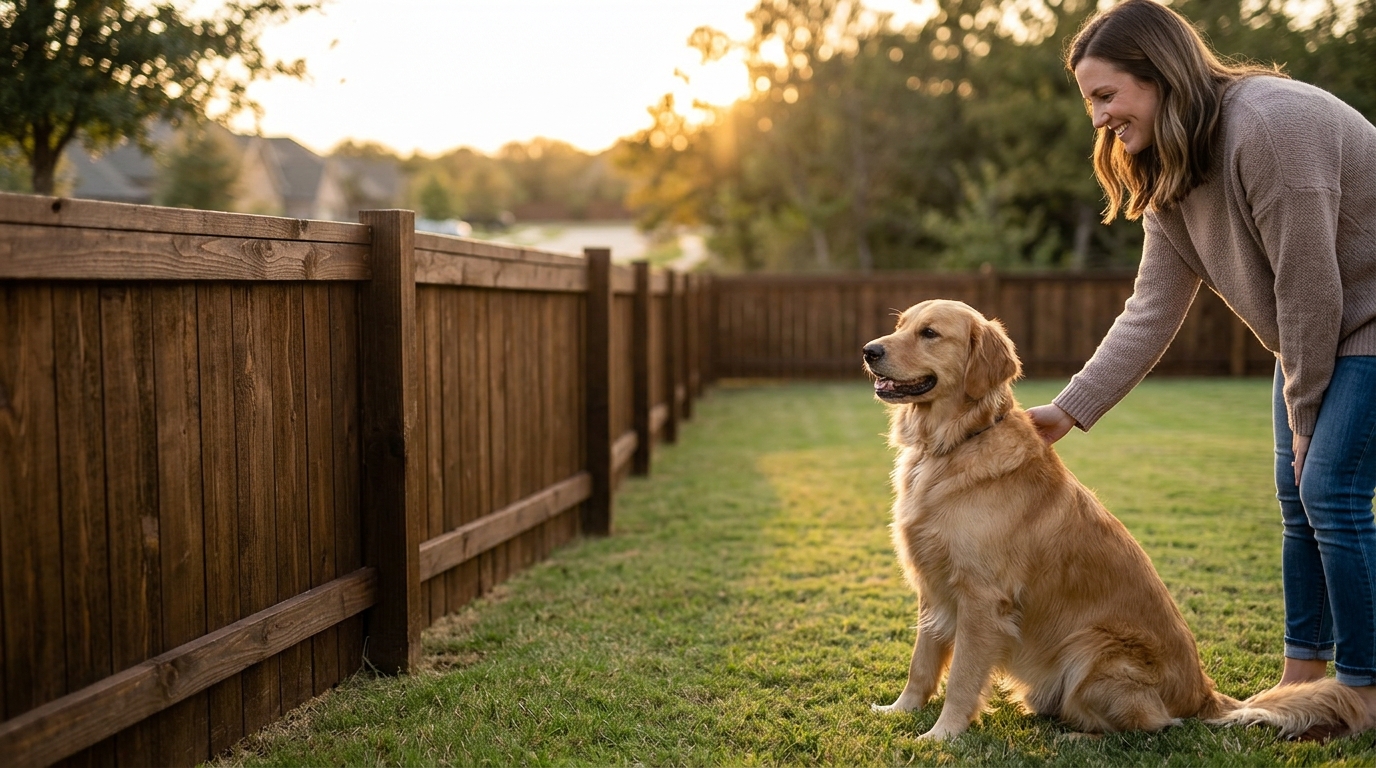
According to the American Veterinary Medical Association, approximately 8 million pets enter animal shelters annually, with a significant percentage of lost animals being recoverable if they remain within a secure property boundary. The primary challenge for pet owners is not just keeping animals in, but ensuring the containment method is physically impenetrable and psychologically calming. A poorly designed barrier can lead to escape attempts, injury, or chronic anxiety for dogs and cats. This guide analyzes the most effective fencing solutions based on durability, visibility, and escape prevention.
Why Standard Fences Fail Pets
Many pet owners underestimate the intelligence and physical capability of their animals. Dogs, particularly breeds like Huskies, Terriers, and Retrievers, are natural escape artists. They can jump, dig, and squeeze through surprisingly small gaps. Cats, while less likely to jump high fences, are experts at climbing and squeezing through vertical slats. A fence that looks secure to a human eye may offer a clear path to freedom for a pet.
The concept of containment integrity is critical. It refers to the seamless integration of the fence material, the ground interface, and the gate mechanisms. Gaps at the bottom, loose slats, or inadequate gate latches are common failure points. According to data from the National Animal Care and Control Association, secure fencing is the single most effective method for preventing pet loss. Without a robust physical barrier, even the most trained pet can be lured away by scents, sounds, or other animals.
The Durability of Vinyl Fencing
Vinyl fencing has emerged as a top contender for pet containment due to its structural rigidity and lack of footholds. Unlike wood, which can warp or rot, vinyl maintains its shape and strength over decades. This material is non-porous, meaning it does not absorb odors or fluids, which is essential for maintaining a hygienic environment for pets.
Structural Integrity and Safety
Vinyl panels are typically manufactured with solid cores rather than hollow tubes. This design prevents pets from chewing through the material. When a dog attempts to dig under or lean against the fence, the solid vinyl resists deformation. Furthermore, the smooth surface eliminates the horizontal rails that often serve as stepping stones for climbing cats or jumping dogs. For detailed insights on material longevity, one can reference industry standards set by the Vinyl Fence Manufacturers Association.
Maintenance and Longevity
Maintenance is minimal. A simple rinse with a garden hose removes dirt and grime. There is no need for staining, painting, or sealing. This makes vinyl an ideal choice for busy pet owners who want a "set it and forget it" solution. The initial investment is higher than wood, but the lifecycle cost is lower due to the absence of repair needs. For more information on material science, consult the American Society for Testing and Materials guidelines on polymer durability.
Wood Fencing and Privacy
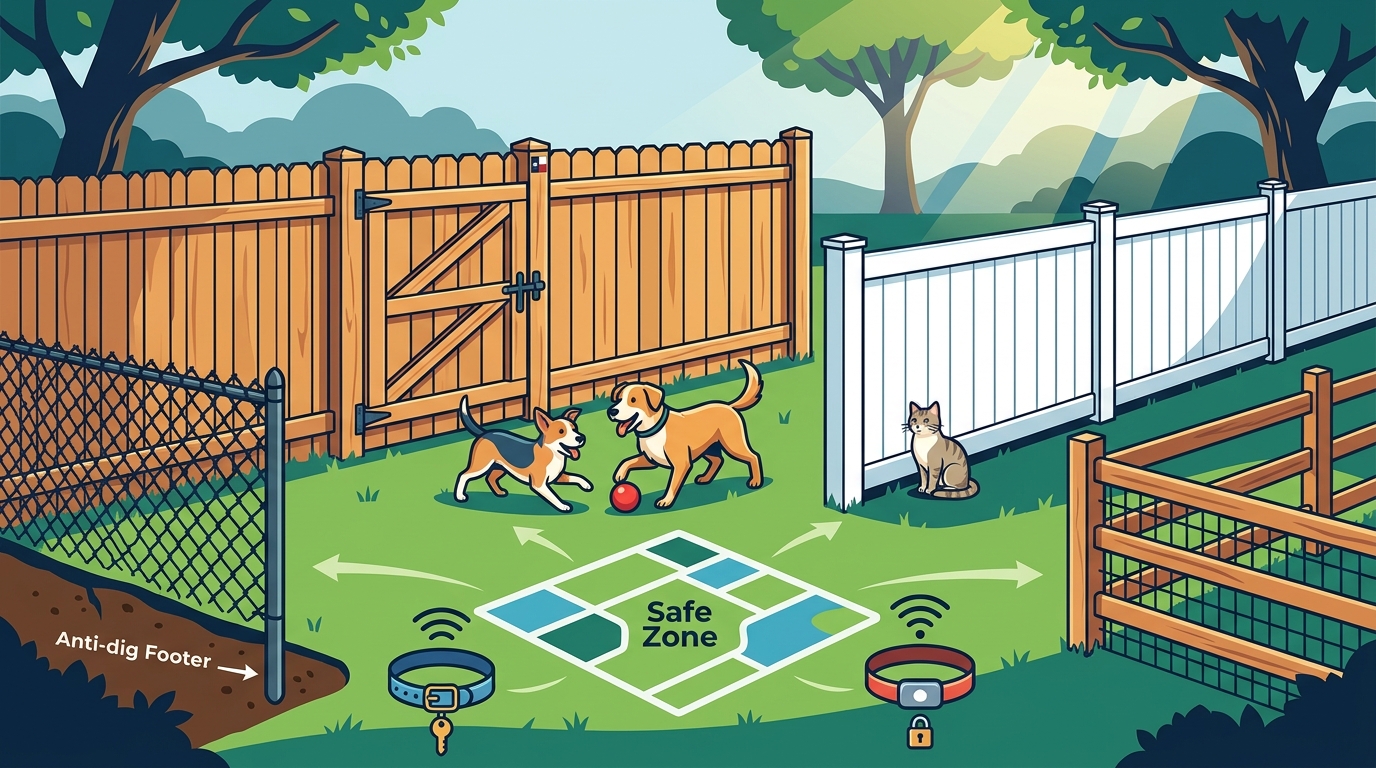
Wood fencing remains a popular choice for its aesthetic appeal and natural look. However, its suitability for pet containment depends heavily on the construction style. A standard picket fence with gaps between slats is inadequate for most pets. Instead, a privacy fence with closely spaced vertical boards or a solid board-on-board design is required.
Preventing Digging and Climbing
Wood fences are susceptible to digging. To mitigate this, the bottom of the fence must be secured with hardware cloth or buried deep into the ground. Additionally, wood provides natural footholds. Cats can easily climb wooden fences unless the top is angled inward or fitted with a roller bar. The American Pet Products Association highlights that visual barriers, such as solid wood panels, can reduce anxiety in dogs by blocking their view of passing animals or pedestrians.
Material Considerations
Cedar and redwood are naturally resistant to rot and insects, making them superior choices for pet enclosures. Pressure-treated pine is more affordable but may contain chemicals that could be harmful if chewed. It is crucial to ensure that any wood used is sealed or painted with pet-safe non-toxic finishes. For regulatory standards on wood treatment, refer to the Environmental Protection Agency guidelines on wood preservatives.
Chain Link and Visibility
Chain link fencing is durable and cost-effective but offers little privacy. For pets, visibility can be a double-edged sword. While it allows owners to monitor their animals, it can also trigger prey drive or territorial behavior if the pet sees other animals outside the fence. To make chain link suitable for pets, slats or privacy screens must be installed.
Enhancing Security
Installing vinyl or metal slats into the chain link mesh eliminates the gaps that small pets can squeeze through. It also prevents larger dogs from leaning on the fence and bending the mesh. The top of the fence should be fitted with a roller bar or a cat top to prevent climbing. These additions transform a basic security fence into a secure pet enclosure.
Cost and Installation
Chain link is generally the most affordable option upfront. However, the cost of modifications can add up. Installation is straightforward, but ensuring the fence is taut and the gates are secure is critical. Loose gates are a common escape route. For industry benchmarks on fencing costs, refer to the National Association of Home Builders cost guides.
Electric and Invisible Systems
Invisible fencing systems use a buried wire and a collar to deliver a correction when the pet approaches the boundary. While these systems are popular for large yards, they have significant limitations for pet containment.
Limitations and Risks
These systems do not physically prevent entry. A determined pet, such as a dog with high prey drive, may ignore the correction and chase a squirrel into the street. Furthermore, the system relies on the pet wearing the collar. If the collar is removed or malfunctions, the containment is void. The Humane Society of the United States notes that invisible fences can cause anxiety and do not prevent other animals from entering the yard.
Best Use Cases
Invisible fencing is best used in conjunction with a physical fence. It can serve as a secondary layer of security for pets that are already contained but might try to dig under the fence. It is not a standalone solution for high-risk escape artists. For ethical guidelines on electronic training devices, consult the American Veterinary Society of Animal Behavior.
Comparison of Containment Options
Choosing the right fence requires balancing safety, aesthetics, and budget. The following table summarizes the key attributes of each fencing type for pet containment.
| Fence Type | Containment Level | Privacy | Maintenance | Best For |
|---|---|---|---|---|
| Vinyl | High | High | Low | Durable, low-maintenance containment |
| Wood | Medium-High | High | High | Aesthetic appeal and natural look |
| Chain Link | Medium | Low | Low | Budget-friendly with modifications |
| Invisible Fence | Low | N/A | Medium | Large yards with existing fences |
Key Takeaways
- Structural Integrity: Solid vinyl or closely spaced wood are the most reliable physical barriers for preventing escapes.
- Digging Prevention: All fences must have a secure ground interface, such as buried hardware cloth, to stop digging.
- Visual Barriers: Privacy reduces pet anxiety by blocking views of outside stimuli, making wood or slatted vinyl ideal.
- Maintenance Matters: Regular inspection of gates and latches is crucial, as these are the most common failure points.
- Invisible Fences: These are not a substitute for physical fencing and should only be used as a supplementary measure.
- Material Safety: Ensure all materials, including stains and sealants, are non-toxic to pets.
- Professional Installation: Proper post depth and concrete footing are essential for long-term stability and security.
Frequently Asked Questions
What is the best fence height for dogs?
For most dog breeds, a fence height of 6 feet is recommended. Larger or more athletic breeds may require 8 feet to prevent jumping. The American Kennel Club suggests that breed-specific traits should dictate height, with high-jumping breeds needing extra vertical clearance.
Can cats climb chain link fences?
Yes, cats are excellent climbers and can easily scale chain link fences. To prevent this, install a cat top or angle the top of the fence inward at a 45-degree angle. This disrupts their ability to grip and climb over the barrier.
How do I stop my dog from digging under the fence?
Bury hardware cloth or chicken wire along the base of the fence, extending it 12 to 18 inches into the ground and bending it outward in an L-shape. This creates a physical barrier that dogs cannot dig through. For more on soil stabilization, refer to the National Garden Bureau guidelines.
Is vinyl fencing safe for pets?
Yes, vinyl fencing is non-toxic and does not splinter. It is smooth and lacks footholds, making it difficult for pets to climb or chew. It is a highly recommended option for pet containment due to its safety profile.
What is the most cost-effective fence for pets?
Chain link is the most cost-effective option upfront. However, when factoring in the cost of modifications like slats and privacy screens, vinyl may offer better long-term value due to lower maintenance and higher durability.
Do I need a permit to install a pet fence?
Permit requirements vary by local municipality. Some areas have height restrictions or setback requirements for fences. It is essential to check with your local building department before installation. For zoning information, consult your city's official planning portal.
How often should I inspect my pet fence?
Inspect your fence at least twice a year, ideally in the spring and fall. Check for loose posts, broken slats, rusted hardware, and gaps at the base. Early detection of damage prevents escapes and costly repairs.
Secure Your Pet Today
Ensuring your pet's safety requires a thoughtful approach to fencing. Whether you choose the durability of vinyl, the aesthetics of wood, or the affordability of chain link, the goal is the same: a secure, stress-free environment for your animal companions. Superior Fences specializes in custom pet containment solutions tailored to your specific needs. Contact us to schedule a consultation and secure your property with confidence.