
How to Choose and Hire a Custom Ranch Rail Fence Contractor in Brazoria County
Installing a ranch rail fence is one of the most effective ways to define property lines while maintaining an open, agricultural aesthetic. According to industry data on residential infrastructure, proper fencing can increase property value by up to 15 percent in rural and semi-rural Texas communities. However, selecting the right contractor in Brazoria County requires more than just comparing quotes. It demands an understanding of local soil conditions, material longevity, and the specific craftsmanship required for custom gate fabrication. This guide provides the essential framework for hiring a reliable fence installation team that delivers durability and aesthetic appeal. (About Us Texas Fence)
Why Choose Ranch Rail Fencing?
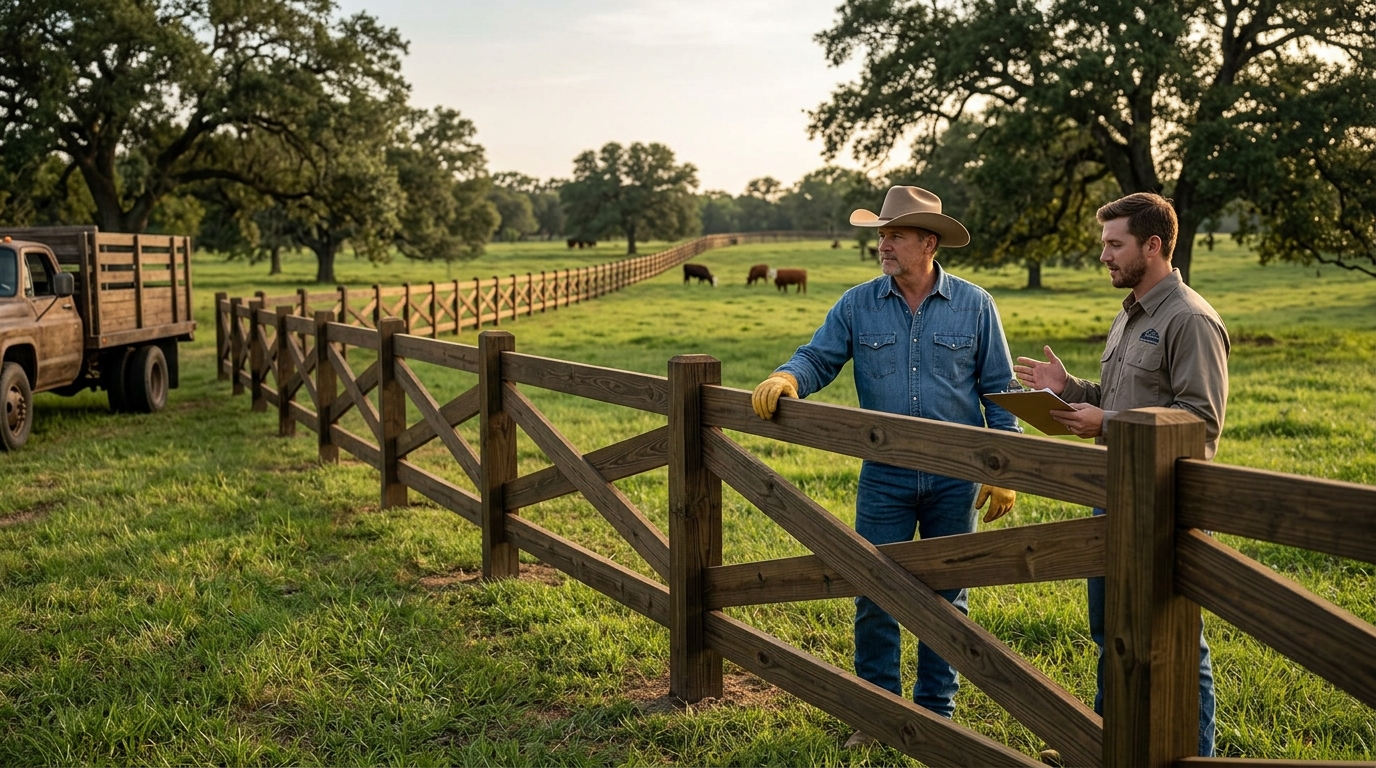
Ranch rail fencing, often referred to as post and rail fencing, is a classic choice for properties in Brazoria County, Matagorda County, and surrounding areas. Unlike privacy fences that block views, ranch rail fencing provides clear boundaries without obstructing sightlines. This makes it ideal for horse properties, large estates, and commercial ranches where visibility is crucial for security and aesthetics. (Map Directions to Superior)
The primary advantage of this style is its cost-effectiveness relative to the amount of land covered. It uses fewer materials than solid panel fences, yet it remains incredibly sturdy when installed correctly. For homeowners in cities like Angleton, Lake Jackson, and Freeport, ranch rail fencing offers a timeless look that complements the natural landscape. It also allows for easy maintenance, as individual rails can be replaced if damaged without rebuilding the entire structure. (Pictures)
When considering fence types, it is important to understand that ranch rail fencing is a boundary definition system using vertical posts and horizontal rails to enclose land without visual obstruction. This definition highlights its functional purpose: security and demarcation rather than privacy. For those seeking a balance between open space and clear property lines, this style remains the gold standard in Texas agricultural and residential design.
Material Selection: Wood vs. Vinyl
Choosing the right material is the first technical decision you will make. In the humid climate of Southeast Texas, material durability is paramount. The two most common options are treated wood and vinyl-coated chain link or vinyl rails.
Treated Wood and Cedar
Treated pine and cedar are traditional favorites for ranch rail fences. Cedar is naturally resistant to rot and insects, making it a premium choice for long-term durability. Treated pine offers a more budget-friendly alternative but requires regular staining or sealing to prevent warping and decay in the high-humidity environment of Brazoria County. Wood provides a warm, natural aesthetic that ages gracefully, developing a silver-gray patina over time.
Vinyl and Black Vinyl Coated Options
Vinyl ranch rail fencing has gained significant popularity due to its zero-maintenance requirements. Unlike wood, vinyl does not rot, warp, or require painting. Black vinyl-coated chain link or solid vinyl rails offer a sleek, modern look that contrasts sharply with green pastures. These materials are particularly resistant to the salt air found in coastal communities like Galveston and Freeport, where corrosion is a common issue for metal structures.
When evaluating materials, consider the long-term cost of ownership. While vinyl may have a higher upfront cost, its lack of maintenance needs often makes it more economical over a 20-year period. Wood, while cheaper initially, demands ongoing investment in stains and repairs.
Contractor Qualifications and Experience
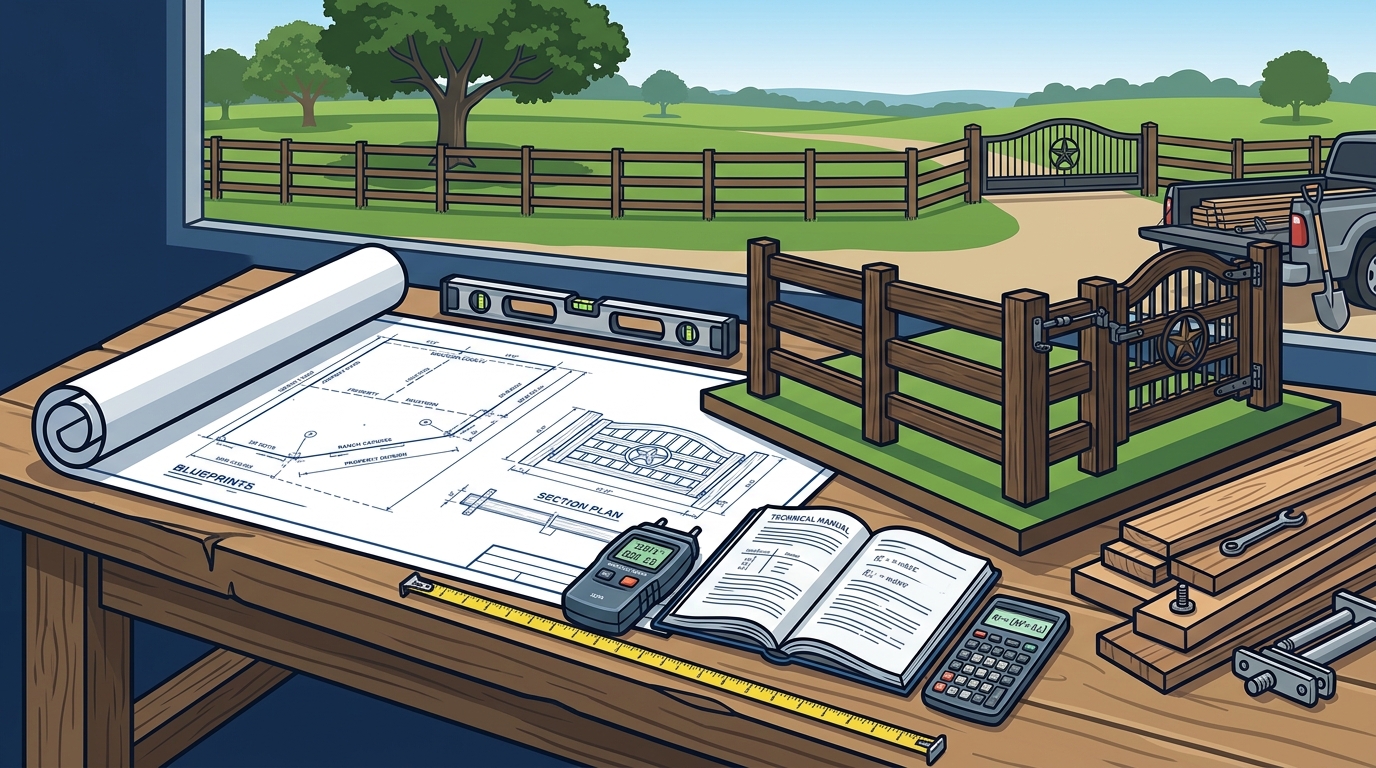
Hiring a contractor with deep local experience is critical for a successful fence installation. Brazoria County has unique soil compositions, ranging from clay-heavy areas in inland regions to sandy soils near the coast. A contractor who understands these local conditions will know how deep to set posts and what type of concrete or gravel base is required for stability.
Look for a contractor with over 30 years of fence experience. Longevity in the industry is a strong indicator of reliability, financial stability, and mastery of local building codes. Superior Fence Services, for example, has served Brazoria, Matagorda, Fort Bend, and Wharton counties for decades, providing a track record of consistent quality and customer satisfaction.
Key qualifications to verify include:
- Licensing and Insurance: Ensure the contractor is fully insured to protect you from liability in case of accidents on your property.
- Workmanship Warranty: A reputable company will stand behind its labor with a clear warranty.
- Local References: Ask for recent projects in your specific neighborhood, such as Shadow Creek Ranch or Silverlake, to see the quality of their work firsthand.
The Importance of Custom Gates
A ranch rail fence is only as functional as its gates. For properties with vehicle access, driveway entrances, or livestock movement, custom gate fabrication is essential. Standard gates often fail under the weight of heavy vehicles or the stress of frequent use. Custom gates are built to specific dimensions and weight requirements, ensuring smooth operation and long-term durability.
Consider the type of gate operator you need. Solar-powered gate operators are increasingly popular in rural Texas due to their energy efficiency and ease of installation without extensive electrical wiring. Electric gate operators offer robust performance for high-traffic commercial entrances. Both options can be integrated with keypad access or remote controls for enhanced security.
When discussing gates with your contractor, specify the gate operator type and access control method. This ensures the fence structure is reinforced appropriately to support the hardware. A poorly planned gate installation can lead to sagging rails and misaligned posts, compromising the entire fence line.
The Installation Process
Understanding the installation process helps you set realistic expectations for your project timeline and quality. A professional installation involves several critical steps:
- Consultation and Design: The contractor visits your property to measure the footage, assess the terrain, and discuss material options. This step is crucial for accurate pricing and design planning.
- Post Hole Digging: Holes are dug to the proper depth, typically one-third the height of the post, to ensure stability against wind and soil shifts.
- Setting Posts: Posts are set in concrete or compacted gravel. In clay-heavy soils, concrete provides superior anchoring.
- Rail Installation: Horizontal rails are attached to the posts using brackets or direct mounting. Precision in this step ensures the fence remains level and straight.
- Gate Installation: Custom gates are hung and adjusted to ensure they swing freely and latch securely.
Emergency service availability is another factor to consider. Weather events in Texas can cause unexpected damage to fences. A contractor who offers emergency repair services can quickly restore your property's security and appearance.
Financing and Warranty Options
Fence installation is a significant investment. Many homeowners opt for financing to spread the cost over time. Companies like Superior Fence Services partner with financing providers such as Lyon Financial to offer flexible payment plans. This allows you to start your project immediately while managing your budget effectively.
Always review the warranty details carefully. A comprehensive warranty should cover both materials and labor. Understand the duration of the warranty and what specific issues are excluded. For example, damage caused by extreme weather events or improper maintenance may not be covered.
Key Takeaways
- Local Expertise Matters: Choose a contractor with over 30 years of experience in Brazoria County to ensure proper handling of local soil and climate conditions.
- Material Choice Impacts Longevity: Cedar and vinyl offer the best resistance to rot and humidity, reducing long-term maintenance costs.
- Custom Gates Are Essential: Standard gates often fail under heavy use; custom fabrication ensures durability and proper alignment with your fence line.
- Verify Insurance and Warranty: Ensure your contractor is insured and offers a workmanship warranty to protect your investment.
- Financing Options Exist: Partnerships with providers like Lyon Financial make high-quality fence installation accessible through manageable payment plans.
- Service Area Coverage: Confirm the contractor serves your specific city, whether it is Angleton, Pearland, or a rural area in Matagorda County.
- Consultation is Free: Reputable contractors offer free estimates to help you make an informed decision without financial pressure.
Frequently Asked Questions
How much does a ranch rail fence cost in Brazoria County?
The cost varies based on material choice, fence height, and total footage. Treated wood is generally more affordable upfront, while vinyl and cedar offer higher long-term value. Custom gates and gate operators add to the total cost. Contacting a local contractor for a free estimate provides the most accurate pricing for your specific property.
What is the best material for ranch rail fencing in humid climates?
Cedar and vinyl are the best materials for humid climates like Brazoria County. Cedar is naturally resistant to rot and insects, while vinyl requires no maintenance and is impervious to moisture damage. Treated pine is a budget option but requires regular staining to prevent decay.
Do I need a permit to install a ranch rail fence?
Permit requirements depend on your specific location within Brazoria County and local zoning laws. Some areas may require permits for fence height or placement near property lines. A reputable contractor will often assist in navigating these local regulations during the consultation phase.
Can you install automatic gate operators with ranch rail fencing?
Yes, automatic gate operators can be installed with ranch rail fencing. Both solar and electric gate operators are available. Solar operators are ideal for properties without easy access to electrical lines, while electric operators provide robust performance for high-traffic entrances.
How long does fence installation take?
Installation time depends on the size of the project and terrain conditions. A standard residential ranch rail fence may take a few days to complete, while larger commercial projects may take longer. Superior Fence Services works efficiently to minimize disruption to your property.
What areas do you serve in Southeast Texas?
We serve Brazoria County, Matagorda County, Fort Bend County, and Wharton County. This includes cities such as Angleton, Lake Jackson, Freeport, Pearland, and surrounding rural areas. Our extensive service network ensures local expertise is available wherever you are located.
Is financing available for fence installation?
Yes, financing is available through partners like Lyon Financial. This allows customers to spread the cost of their fence installation over time with flexible payment options. Contact the office for more information on eligibility and terms.
Contact Superior Fence Services for Your Custom Ranch Rail Fence
Ready to enhance your property with a durable and aesthetically pleasing ranch rail fence? Superior Fence Services offers expert consultation, custom fabrication, and professional installation for residential and commercial clients in Brazoria County and surrounding areas. Our team is committed to providing total satisfaction with every project.
Visit our Contact Us page to request a free estimate. Fill out the form with your project details, including fence type, footage, and gate requirements. You can also call us at 979-849-4640 or 1-800-235-0161 to speak with a representative directly. We look forward to helping you build a fence that stands the test of time.