
Where to Find Solar and Electric Gate Operator Installers in Galveston County
Superior Fence Services is a trusted provider of solar and electric gate operators for residential and commercial properties in the Texas Gulf Coast region. This guide explains how to select the right power source for your gate, the technical differences between solar and electric systems, and how to verify a contractor's expertise. It covers installation best practices, maintenance requirements, and how to request a professional estimate for your specific property needs.
Solar Gate Operators
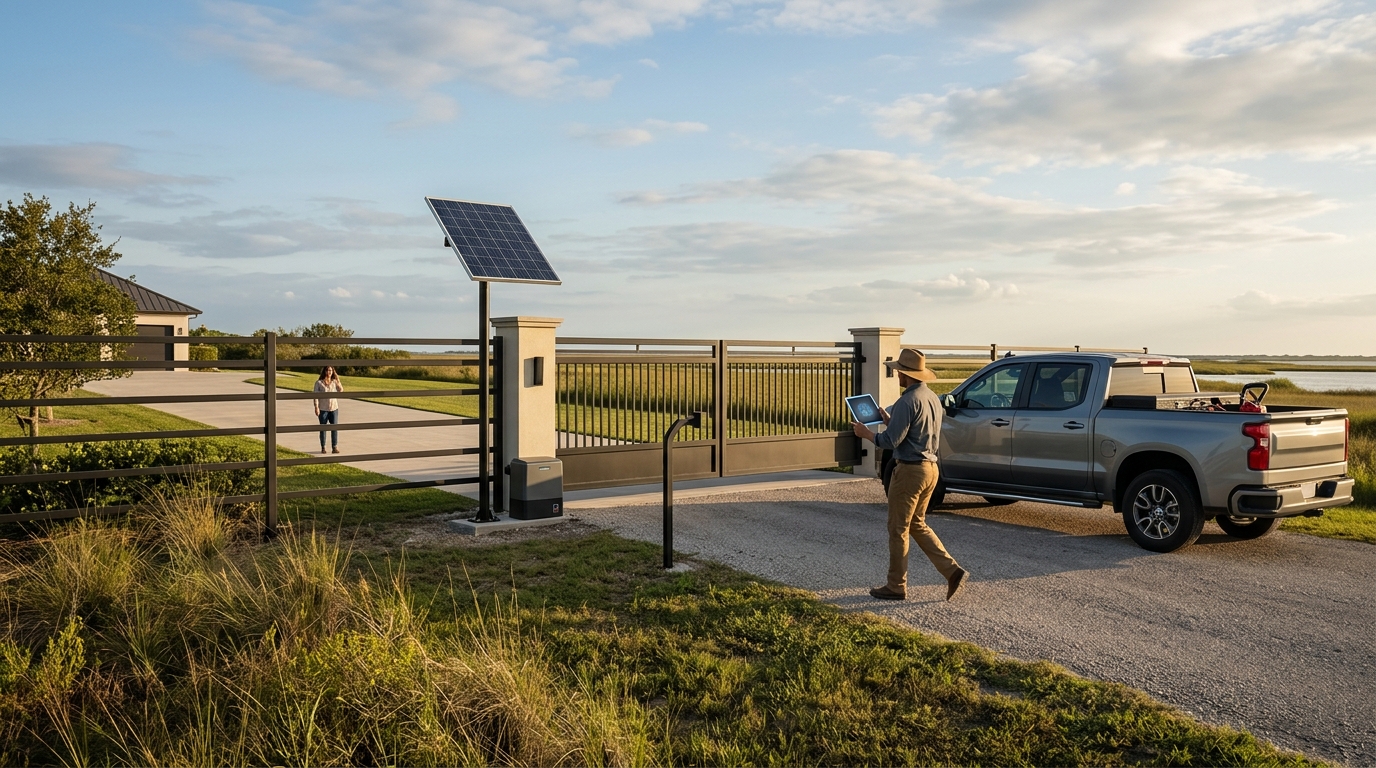
Solar gate operators are self-contained power systems that use photovoltaic panels to charge a battery, which then drives the gate motor. This technology is ideal for properties where running electrical conduit to the gate is difficult, expensive, or aesthetically unappealing. In the Galveston County and surrounding Brazoria County areas, solar systems are particularly popular for ranch gates, agricultural boundaries, and remote residential driveways.
How Solar Systems Work
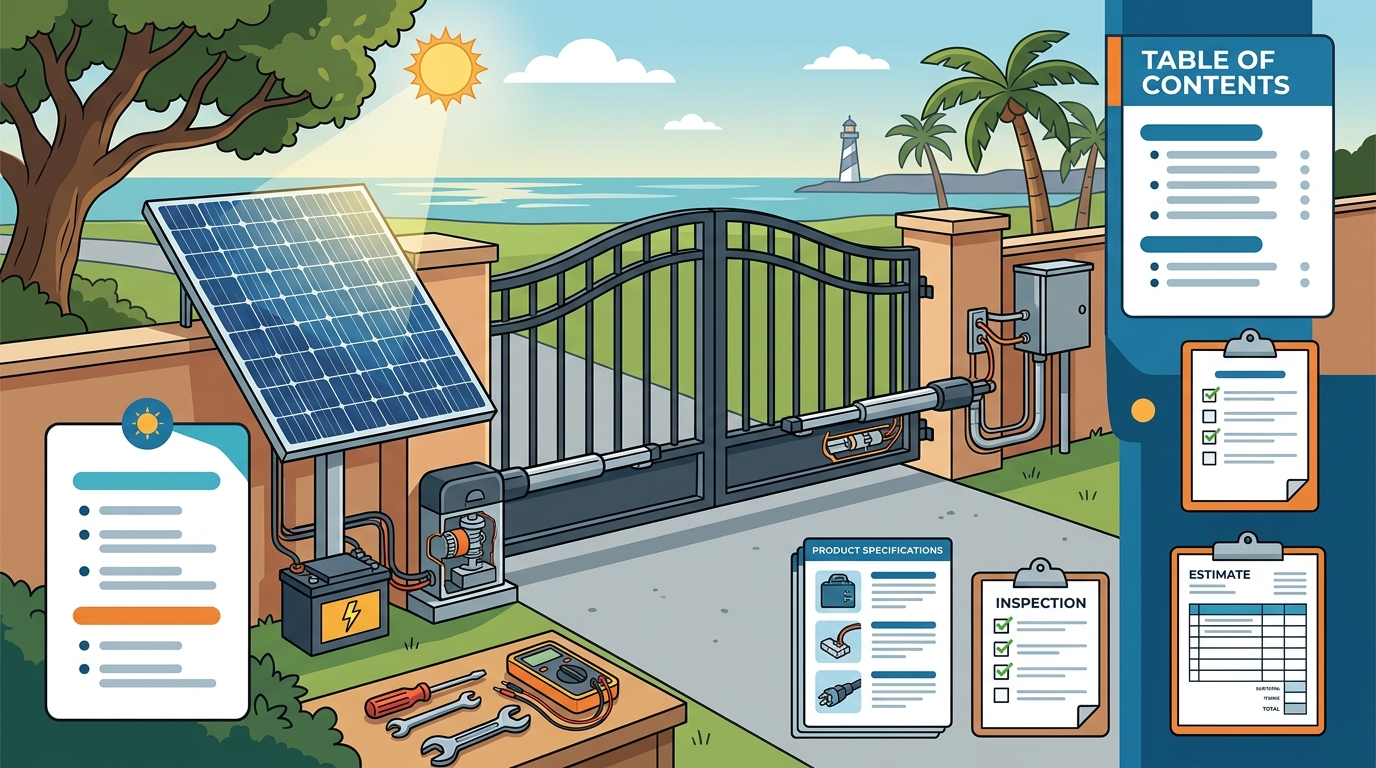
A typical solar gate operator kit includes a solar panel, a battery, a charge controller, and the gate motor. The panel converts sunlight into electricity, which is stored in the battery. The charge controller regulates the power flow to prevent overcharging or deep discharging, which extends battery life. When the gate is triggered, the battery provides the burst of energy needed to open or close the gate.
Advantages of Solar Power
The primary advantage of a solar gate operator is independence from the grid. You do not need to trench for electrical lines, which saves significant labor costs. Additionally, solar systems are often easier to install in remote locations. For properties in the Texas Gulf Coast region, the high number of sun hours makes solar a highly reliable option. However, it is important to note that battery life is a factor; most solar gate batteries last between three and five years before requiring replacement.
Best Use Cases
Solar operators are best suited for gates that are used infrequently, such as once or twice a day. If you have a high-traffic commercial gate that opens dozens of times a day, a solar system may struggle to keep up with the energy demand. For residential properties in Galveston County or nearby areas like Brazoria, solar is a top choice for privacy gates or secondary access points.
Electric Gate Operators
Electric gate operators are hardwired to a standard 110-volt or 220-volt power source. These systems provide consistent, unlimited power and are the standard choice for high-traffic commercial facilities, gated communities, and residential driveways with frequent use. Unlike solar systems, electric operators do not rely on battery storage, eliminating the need for periodic battery replacements.
How Electric Systems Work
An electric gate operator connects directly to your property's electrical service. The motor draws power directly from the grid when the gate is activated. This setup requires a dedicated circuit and proper grounding. The installation process involves trenching for conduit from the nearest power source to the gate post. While this adds to the initial cost, it ensures that the gate will never run out of power.
Advantages of Electric Power
The main benefit of an electric gate operator is reliability and capacity. These systems can handle heavy gates and frequent operation without degradation. They are also generally more affordable in terms of hardware cost compared to high-quality solar kits. For commercial properties in the Galveston County area, electric gates are often required by local codes or insurance providers due to their consistent performance.
Best Use Cases
Electric operators are ideal for main driveway gates, commercial entrances, and any application where the gate is used multiple times a day. If your property is close to a power source, such as a garage or house, an electric gate is often the most cost-effective and durable solution. It provides peace of mind knowing that the gate will always operate, regardless of weather conditions or battery health.
Solar vs. Electric Comparison
Choosing between solar and electric gate operators depends on your specific property layout, usage frequency, and budget. The table below summarizes the key differences to help you make an informed decision.
| Feature | Solar Gate Operator | Electric Gate Operator |
|---|---|---|
| Power Source | Sunlight (Battery Storage) | Grid Electricity |
| Installation Complexity | Low (No Trenching) | High (Requires Conduit) |
| Upfront Cost | Higher Hardware Cost | Lower Hardware Cost |
| Maintenance | Battery Replacement (3-5 Years) | Minimal (Motor/Chain) |
| Best For | Remote Gates, Low Traffic | High Traffic, Commercial |
| Reliability | Dependent on Sun/Battery | Consistent |
For most residential properties in the Galveston County and Brazoria County regions, the decision often comes down to distance from power. If the gate is more than 100 feet from a power source, solar is usually the more economical choice. If the gate is close to power and used frequently, electric is the better long-term investment.
The Installation Process
Professional installation of a gate operator involves several critical steps to ensure safety and functionality. Whether you choose solar or electric, the process begins with a site assessment. A qualified technician will evaluate the gate's weight, swing radius, and the surrounding environment. This assessment determines the appropriate motor size and power source.
Site Assessment and Planning
During the site visit, the contractor will measure the gate and check for obstructions. They will also identify the best location for the solar panel or the path for electrical conduit. Proper planning prevents issues such as the gate hitting a post or the solar panel being shaded by trees. This step is crucial for ensuring the system operates smoothly for years to come.
Hardware Installation
Once the plan is approved, the installation begins. For electric gates, the technician will trench for conduit and wire the system. For solar gates, they will mount the panel and battery box. The motor is then attached to the gate and post. The system is calibrated to ensure the gate opens and closes at the correct speed and stops at the proper position. Safety sensors are installed to prevent the gate from closing on a person or vehicle.
Testing and Handover
After installation, the technician will test the system thoroughly. They will verify that the remote controls, keypads, and safety sensors are working correctly. You will receive a walkthrough of the system, including how to program remotes and what to do in case of a power outage. A professional installer will provide a warranty on their workmanship, giving you added peace of mind.
Maintenance and Longevity
Regular maintenance is essential to extend the life of your gate operator. For solar systems, the primary maintenance task is monitoring the battery. You should check the battery voltage periodically and replace the battery when it no longer holds a charge. For electric systems, maintenance focuses on the mechanical components, such as the chain or belt drive.
Solar System Maintenance
Keep the solar panel clean and free of debris. Dust and leaves can reduce efficiency. Check the battery connections for corrosion, which is common in the humid Texas climate. If you notice the gate moving slowly or not opening fully, it may be a sign that the battery needs replacement. Most solar gate batteries last three to five years, but this can vary based on usage and temperature.
Electric System Maintenance
Electric gate operators require lubrication of the chain or belt drive. Check the manual for the recommended lubricant and frequency. Inspect the safety sensors to ensure they are aligned and clean. Tighten any loose bolts on the motor mount. Regular maintenance prevents minor issues from becoming major repairs, saving you money in the long run.
Key Takeaways
- Solar gate operators are ideal for remote locations and low-traffic gates, eliminating the need for electrical trenching.
- Electric gate operators provide consistent power and are best for high-traffic commercial or residential applications.
- The choice between solar and electric depends on distance from power, usage frequency, and budget.
- Professional installation ensures proper calibration, safety sensor placement, and code compliance.
- Solar systems require battery replacement every three to five years, while electric systems need mechanical maintenance.
- Superior Fence Services offers expert advice and installation for both solar and electric gate operators in the Texas Gulf Coast region.
- Always request a site assessment before purchasing a gate operator to ensure the correct motor size and power source are selected.
Frequently Asked Questions
What is the difference between a solar and electric gate operator?
A solar gate operator uses a battery charged by a solar panel, while an electric gate operator is hardwired to the grid. Solar is best for remote gates, while electric is best for high-traffic gates.
How long does a solar gate battery last?
Most solar gate batteries last between three and five years. The lifespan depends on usage frequency and temperature conditions.
Can I install a gate operator myself?
While DIY is possible, professional installation is recommended. Proper calibration and safety sensor placement are critical for safe operation. A professional ensures the system meets local codes and provides a warranty.
What happens if the solar battery dies?
If the battery dies, the gate will not open. You can usually open the gate manually using a release mechanism. You will need to replace the battery to restore automatic operation.
Do I need a permit for a gate operator?
Permit requirements vary by local jurisdiction. In many areas of Galveston and Brazoria counties, a permit is not required for a gate operator, but it is always best to check with your local building department.
How much does it cost to install a gate operator?
Costs vary based on the type of operator, gate size, and installation complexity. Solar systems typically have a higher upfront hardware cost but lower installation labor costs. Electric systems have lower hardware costs but higher labor costs due to trenching.
Conclusion
Selecting the right gate operator is a significant investment in your property's security and convenience. Whether you choose a solar or electric system, working with a qualified professional ensures that your gate is installed correctly and safely. Superior Fence Services has over 40 years of experience in fence and gate installation, serving the Brazoria, Matagorda, Fort Bend, and Wharton County areas. Our team provides expert advice, quality materials, and professional workmanship for all your fencing and gate needs. To get started, request a free estimate today and let us help you find the perfect solution for your property.