
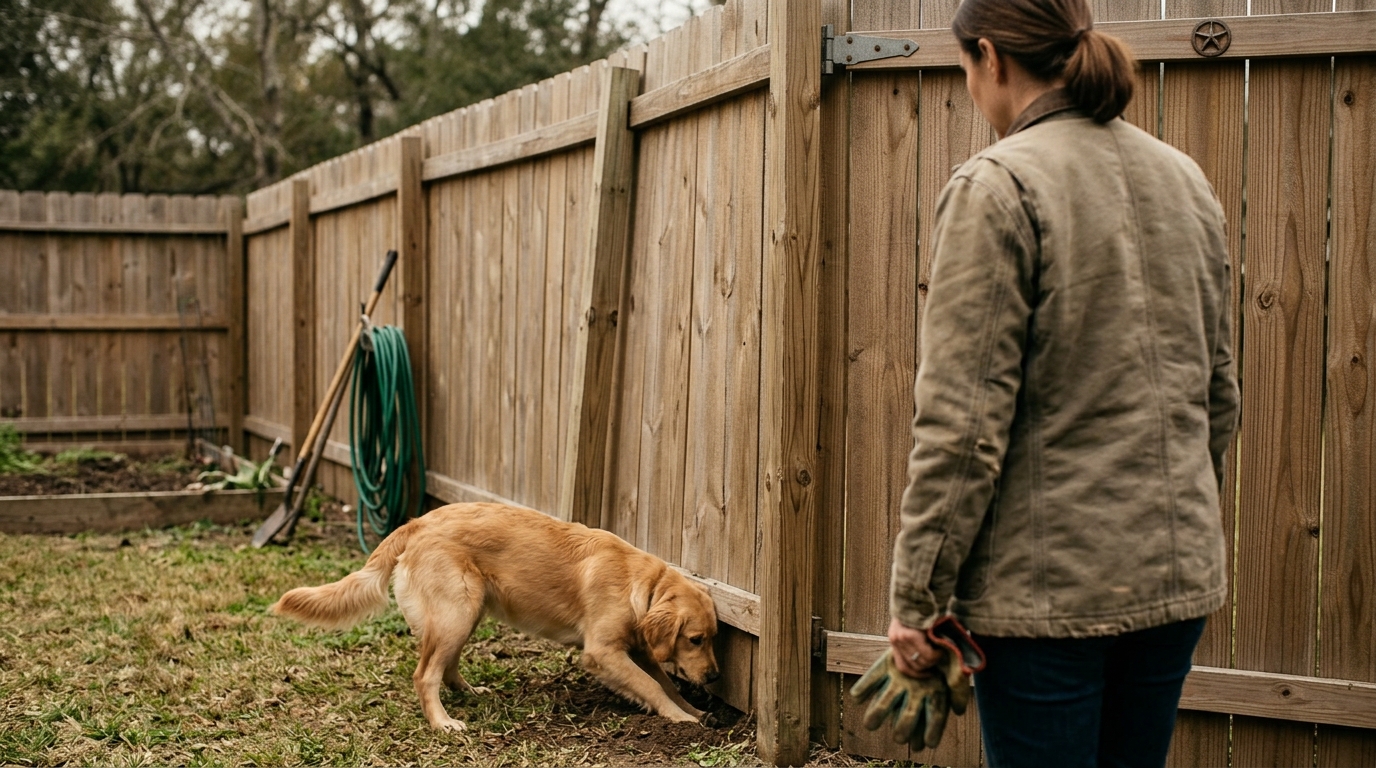
Homeowners in Brazoria County and surrounding areas often prioritize aesthetics when selecting fencing, yet the structural integrity of the barrier directly impacts pet safety. According to recent veterinary safety reports, improper fence design contributes to a significant percentage of pet escape incidents and injuries annually. Ignoring critical design flaws can lead to costly emergency vet visits or worse. This article examines the most common structural vulnerabilities in residential fencing and how professional installation mitigates these risks. (Wood Fences Vinyl Fences)
Structural Vulnerabilities in Common Materials
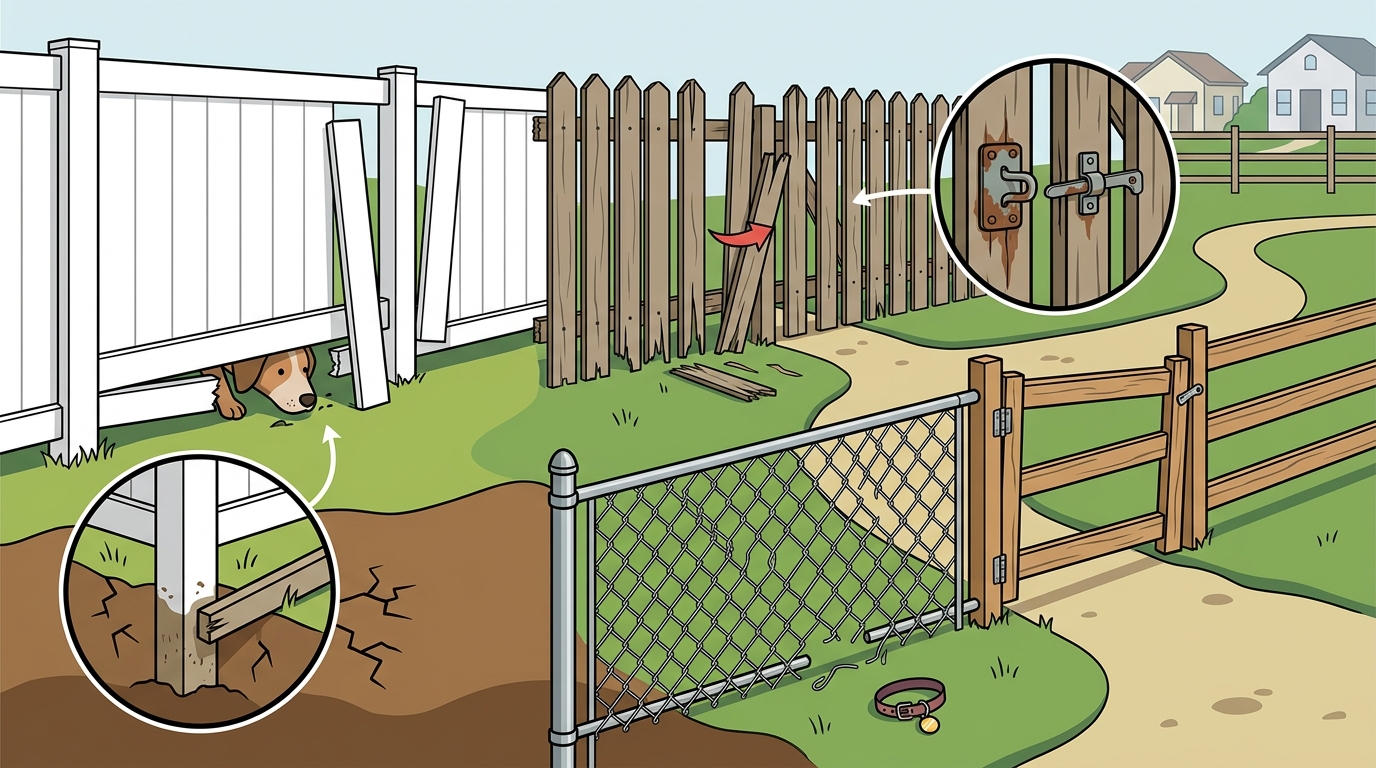
The choice of fencing material dictates the baseline safety for pets. Wood fences, while popular for their natural look, present specific risks. Cedar or treated picket privacy fences can develop gaps as the wood warps or shrinks over time. These gaps allow small dogs or cats to slip through. Furthermore, loose boards create protruding nails or splinters that can injure paws. Regular inspection of wood integrity is essential to prevent these hazards.
Chain link fences offer durability but lack visual barriers. Many pets feel anxious when they can see through the fence, leading to increased pacing and jumping attempts. Black vinyl coated chain link improves aesthetics but does not eliminate the risk of paws getting caught in the mesh. Ornamental iron fences, while strong, often have vertical bars spaced too widely for smaller breeds. A dog’s head can become trapped between bars, causing severe injury or panic. Vinyl fences provide a solid barrier but can become brittle in extreme heat, leading to cracks that compromise structural strength.
Gate Mechanisms and Access Control Failures
The gate is the most frequent point of failure in pet containment systems. Standard latches are often insufficient for determined animals. Dogs can learn to nudge open simple slide bolts, and cats can manipulate lever-style handles. Superior Fence Services specializes in installing custom gates with advanced access control mechanisms. These include keypad entry systems and exit loops that prevent accidental openings.
Automatic gate operators add another layer of complexity. Solar or electric gate operators must be calibrated correctly to ensure they close fully and lock securely. If the sensor is misaligned, the gate may reverse before closing, leaving a gap. Regular maintenance of these operators is crucial. Professional gate service ensures that mechanical components function reliably under daily use. Without proper calibration, even the most robust fence becomes ineffective at the entry point.
Material Degradation in Coastal Environments
Living in coastal regions like Brazoria, Matagorda, and Galveston Counties introduces unique environmental stressors. Salt air accelerates corrosion in metal components. Chain link fences and ornamental iron gates require frequent inspection for rust, which weakens the structural integrity of the posts and rails. Treated wood fences are susceptible to rot and insect damage in humid climates. Vinyl fences, while resistant to rot, can fade and become brittle under intense UV exposure.
Post stability is another critical factor. Soil erosion around fence posts can loosen the foundation, causing the fence to lean or collapse. This is particularly dangerous for large dogs that lean against the fence. Over 35 years of fence experience demonstrates that proper post installation with concrete footings is vital for long-term stability. Ignoring these environmental factors can lead to premature fence failure and compromised pet safety.
Comparing Fence Types for Pet Safety
Selecting the right fence requires balancing durability, aesthetics, and safety. The table below compares common fence types based on their suitability for pet containment.
| Fence Type | Safety Pros | Safety Cons | Best For |
|---|---|---|---|
| Privacy Cedar/Wood | Visual barrier reduces anxiety | Gaps from warping; splinters | Small to medium dogs |
| Vinyl Fencing | No splinters; low maintenance | Can become brittle; solid view | General pet containment |
| Chain Link | High durability; cost-effective | Visible through; paw entrapment | Large dogs; commercial use |
| Ornamental Iron | Strong; aesthetic appeal | Wide bar spacing risks head entrapment | Large dogs; decorative yards |
Key Takeaways
- Wood fences require regular maintenance to prevent gaps and splinters that endanger pets.
- Chain link fences may allow paw entrapment; black vinyl coating improves safety but does not eliminate it.
- Gate mechanisms are the primary failure point; custom access control is recommended for high-risk areas.
- Coastal environments accelerate material degradation, necessitating more frequent inspections.
- Proper post installation with concrete footings prevents leaning and collapse.
- Ornamental iron fences pose a head entrapment risk for smaller breeds.
- Professional installation ensures compliance with safety standards and local regulations.
Frequently Asked Questions
What is the minimum height required for a pet containment fence?
The minimum height depends on the size and jumping ability of the pet. Generally, a height of six feet is recommended for most dogs to prevent jumping over. For smaller pets, four to five feet may suffice, but the structural integrity must be maintained.
How can I prevent my dog from digging under the fence?
Installing a concrete footer or burying the fence material six to twelve inches underground can prevent digging. Custom gate fabrication often includes extended bottoms to address this issue specifically.
Is vinyl fencing safe for all pet sizes?
Vinyl fencing is generally safe as it lacks splinters and sharp edges. However, it can become brittle in extreme heat. Regular inspection for cracks is necessary to ensure it remains a secure barrier.
What are the benefits of automatic gate operators for pet safety?
Automatic gate operators provide consistent closure, reducing the chance of human error. When paired with access control systems, they ensure that only authorized individuals can open the gate, preventing accidental escapes.
How often should I inspect my fence for pet safety?
Inspections should be conducted quarterly, with additional checks after severe weather events. Look for loose boards, rust, broken latches, and post stability issues.
Can I install a pet containment fence myself?
While DIY installation is possible, professional installation ensures proper post depth, material alignment, and gate functionality. Contact us for a free estimate to discuss your specific needs.
What is the best fence material for humid climates?
Vinyl and treated wood are common choices, but vinyl requires less maintenance in humid environments. Superior Fence Services offers consulting to help you choose the best material for your local conditions.
How do I choose the right gate latch for my pet?
Choose a latch that requires a specific action to open, such as a keypad code or a dual-action mechanism. Simple slide bolts are easily manipulated by intelligent pets.
Secure Your Home Today
Protecting your pets requires more than just a barrier; it demands a well-designed, durable, and secure system. Superior Fence Services provides expert consultation and installation for residential and commercial properties in Brazoria County and surrounding areas. Our team ensures that every fence meets the highest safety standards while enhancing your property’s beauty. Request a free estimate today to discuss your pet containment needs and schedule a professional assessment.