
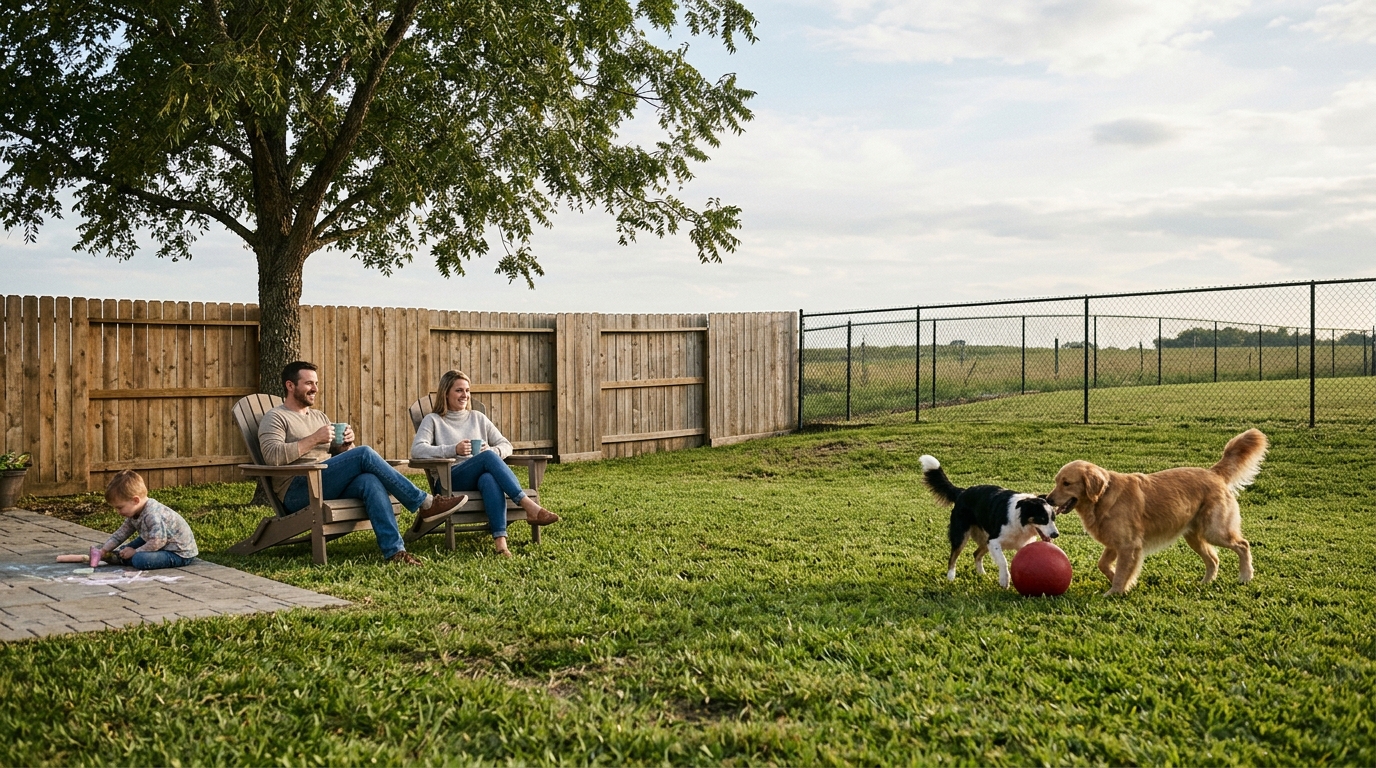
Several key variables determine the final price of a pet containment fence, including material selection, property topography, and local labor rates. In Texas, specific environmental factors like humidity and soil composition also play a significant role in long-term durability and upfront expenses. Understanding these drivers helps homeowners budget accurately for their specific needs.
Material Selection and Durability
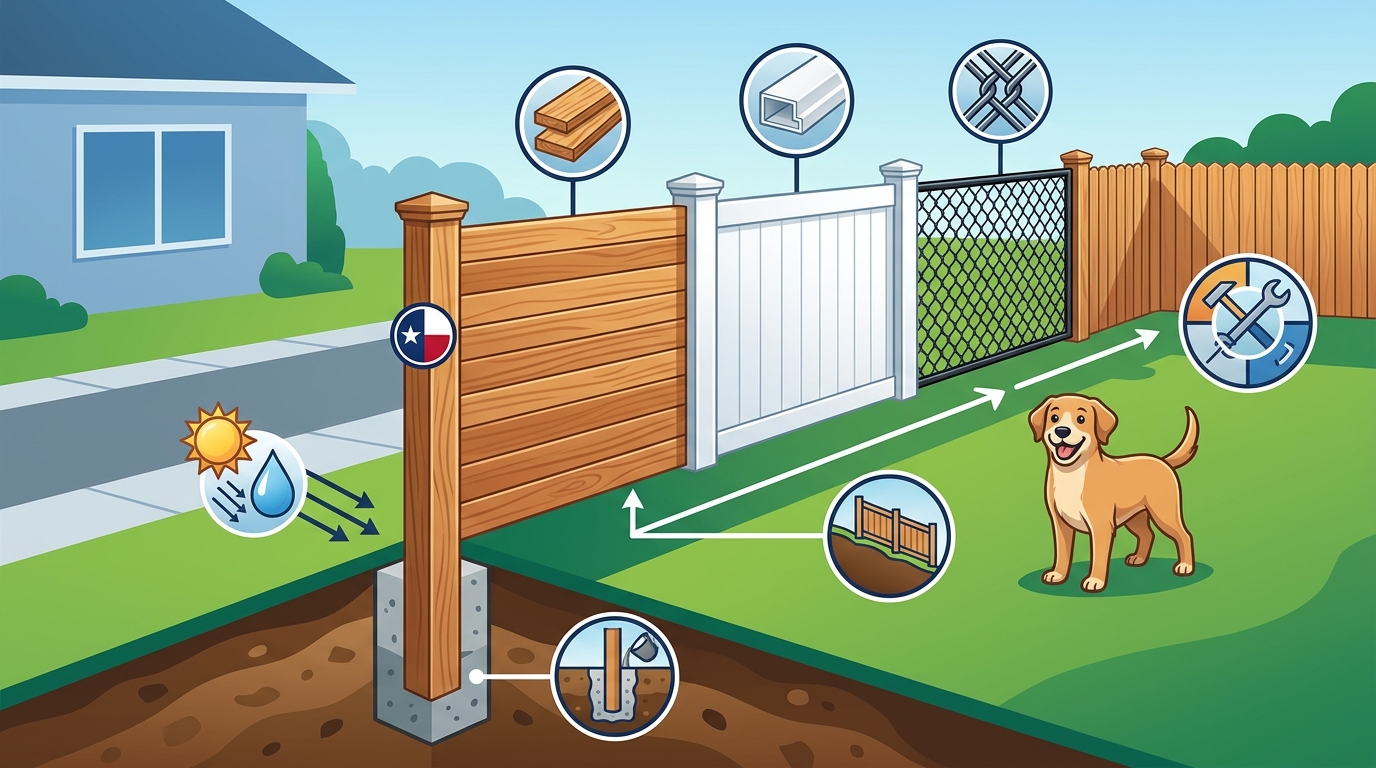
The choice of fencing material is the single largest cost driver for any pet containment project. Fence material is the primary component that dictates both the initial installation cost and the long-term maintenance budget. In the humid climate of Southeast Texas, material durability is critical. Wood fences, such as cedar or treated pine, offer a natural aesthetic but require regular staining or sealing to prevent rot and insect damage. Vinyl fences provide a low-maintenance alternative that resists moisture and pests, though they typically carry a higher upfront price tag.
Chain link fencing remains a popular choice for pet containment due to its strength and affordability. For pets that are prone to chewing or digging, the structural integrity of the material matters more than aesthetics. Superior Fence Services offers a range of options, including wood, vinyl, and chain link fences, allowing homeowners to select a material that balances budget with durability. The specific gauge of the metal or the thickness of the vinyl panels will directly impact the per-foot cost.
Property Topography and Site Conditions
Installing a fence on a slope requires additional labor to ensure the fence remains level and secure. This often involves custom post depths or the use of additional hardware to anchor the structure. If your property has large trees or established landscaping, the crew must navigate around these obstacles, which can increase the time required for the project. A thorough site assessment helps identify these challenges before finalizing a quote.
Fence Height and Gate Requirements
The height of the fence and the number of gates needed are direct linear cost factors. Fence height is the vertical measurement of the barrier, which must be sufficient to prevent pets from jumping over or climbing out. Standard residential fences are often 4 or 5 feet tall, but active dogs or large breeds may require 6-foot barriers. Increasing the height by even one foot adds the cost of additional material and labor for every linear foot of the project.
Gates are another significant expense. A standard walk gate is less expensive than a double gate or an automatic gate system. If you need multiple access points for different areas of the yard, the cost of gates and their hardware will add up quickly. For commercial properties or large estates, automatic gates and access control systems may be necessary, which involves additional electrical or solar components. Planning the number and type of gates early helps avoid budget surprises.
Local Labor Rates and Installation Complexity
Labor costs vary by region and the specific demands of the project. In Southeast Texas, labor rates are influenced by the local demand for construction services and the skill level required for the specific fence type. Installation labor is the cost associated with the physical work of setting posts, attaching panels, and finishing the fence. Complex projects, such as those involving ornamental metalwork or custom gate fabrication, require specialized skills that command higher hourly rates.
Superior Fence Services has over 30 years of experience in the region, providing a deep understanding of local soil conditions and building codes. Their team handles everything from simple repairs to complex new installations. By choosing a local provider with established expertise, homeowners can ensure that the installation is done correctly the first time, avoiding the hidden costs of repairs or rework. You can review their company background and service areas to understand their local presence.
Long-Term Maintenance and Warranty Considerations
The initial price tag is only part of the total cost of ownership. Warranty coverage is a guarantee of workmanship and material quality that protects the homeowner from future repair costs. Some fence materials require annual maintenance, such as staining wood or cleaning vinyl, which adds to the long-term budget. A robust warranty from the installer can provide peace of mind, covering issues like post settling or gate misalignment.
Superior Fence Services offers a 1-year workmanship warranty on their installations, reflecting their confidence in the quality of their work. They are also fully insured, which is a critical factor for any homeowner hiring a contractor. When comparing quotes, look beyond the bottom line to understand what is included in the warranty and what maintenance is expected of you. This holistic view ensures that the fence remains a valuable asset for years to come. For more details on their protection policies, visit their insurance and warranty page.
Key Takeaways
- Material choice is the biggest cost driver, with vinyl and metal generally costing more than wood.
- Uneven terrain and rocky soil increase labor costs due to complex post setting.
- Taller fences and additional gates add linear costs to the total project price.
- Local labor rates in Southeast Texas reflect regional demand and skill requirements.
- Warranty terms and maintenance needs affect the long-term cost of ownership.
- Site assessment is crucial for identifying hidden costs before installation begins.
Frequently Asked Questions
What is the most affordable material for a pet fence?
Chain link fencing is typically the most affordable option for pet containment. It is durable, requires minimal maintenance, and is cost-effective for large properties. However, it may not offer the same aesthetic appeal as wood or vinyl.
How does slope affect fence cost?
Sloped terrain requires additional labor to ensure the fence is level and secure. This can increase the cost by 10% to 20% compared to a flat lot, depending on the steepness of the slope.
Do I need a taller fence for large dogs?
Yes, large or active dogs often require a 6-foot fence to prevent them from jumping over. Standard 4-foot fences may not be sufficient for breeds with high jumping ability.
What is included in a workmanship warranty?
A workmanship warranty covers defects in the installation process, such as loose panels or misaligned gates. It does not typically cover damage caused by weather, pets, or third parties.
How long does a fence installation take?
The duration depends on the size of the property and the complexity of the design. A standard residential fence can often be completed in a few days to a week.
Can I install a fence myself to save money?
While DIY installation can save on labor costs, it requires significant time, skill, and equipment. Professional installation ensures the fence is built to code and comes with a warranty.
Get Your Free Estimate
Understanding the factors that affect your fence cost is the first step toward a successful project. Superior Fence Services provides free estimates for homeowners and businesses in Brazoria, Matagorda, and Fort Bend counties. To discuss your specific needs and receive a detailed quote, today.