
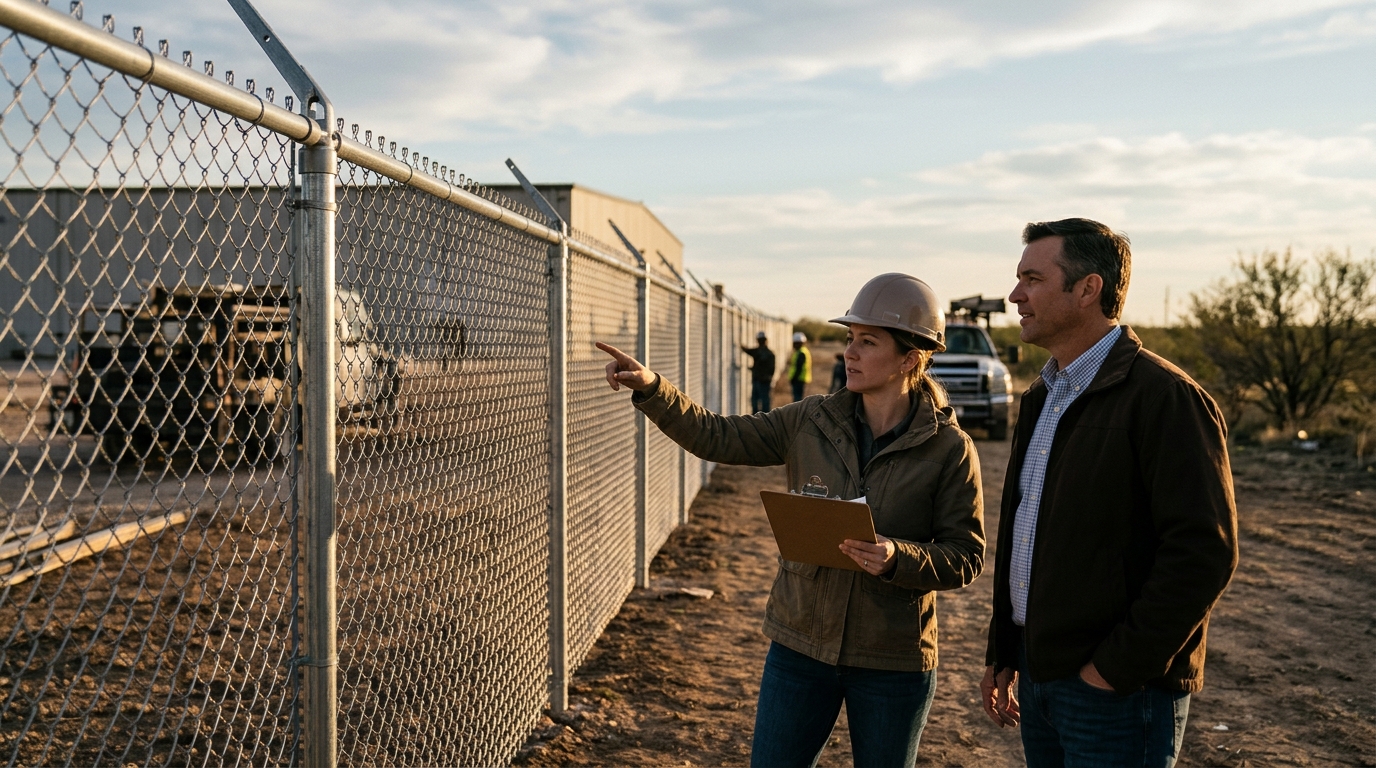
Commercial fence installation costs vary significantly based on material selection, site conditions, and gate complexity. Understanding these variables helps business owners budget accurately for perimeter security and property definition. This guide breaks down the primary cost drivers for commercial fencing projects in Texas. For additional details, review the Contact Us Superior Fences.
1. Material Selection and Durability
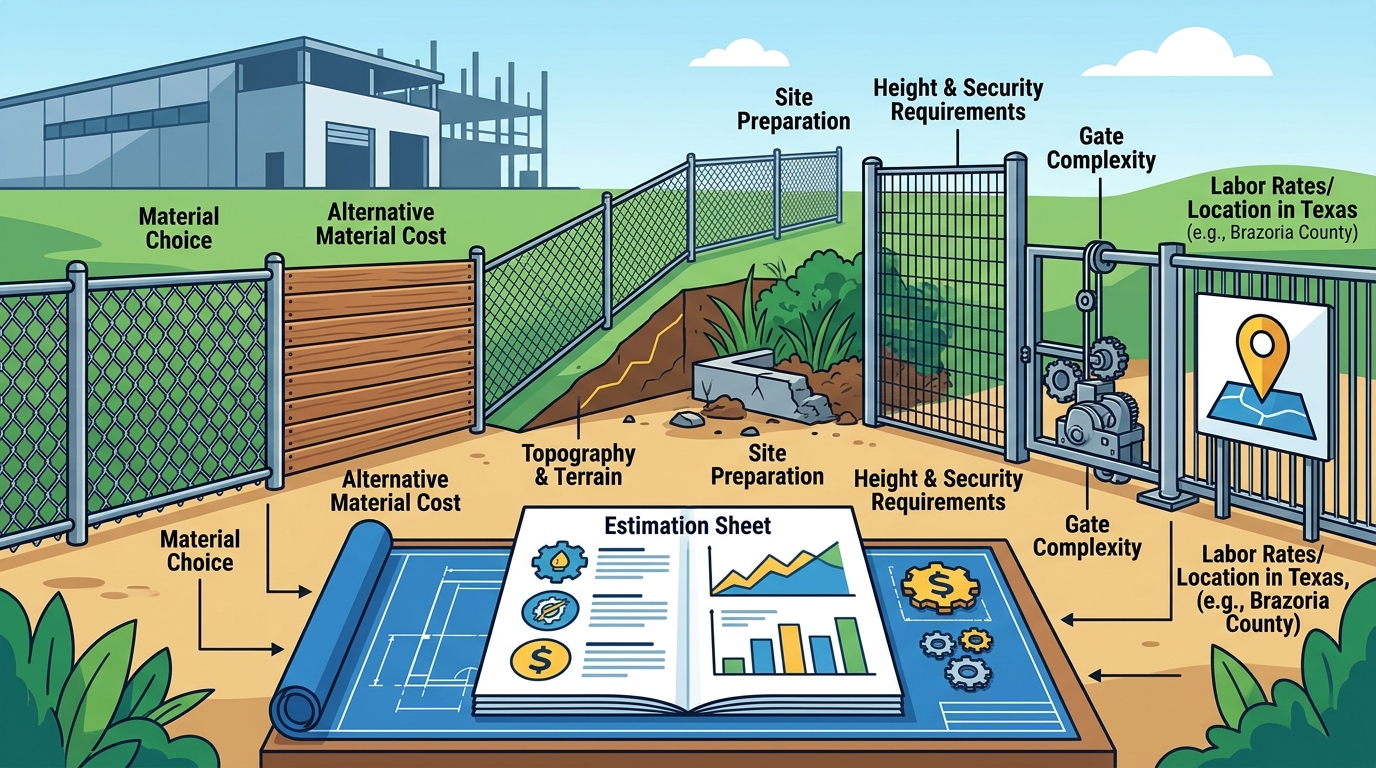
Material choice is the single largest variable in commercial fence pricing. Chain link offers the most economical option for basic security, while ornamental metal and vinyl provide higher aesthetic value at a premium cost. Wood fencing requires more maintenance but offers a traditional look that suits certain commercial properties. The durability of the material directly impacts long-term value, as commercial environments often expose fencing to heavier wear than residential settings.
2. Site Conditions and Terrain
Uneven terrain and existing obstructions significantly increase installation labor costs. Flat, clear lots allow for faster post setting and panel installation, reducing overall project duration. Sloped properties require stepped or racked fencing techniques, which demand more precise measurement and additional hardware. Existing structures, vegetation, or underground utilities must be cleared before installation, adding time and expense to the initial site preparation phase.
3. Gate Complexity and Automation
Gate type and automation features add substantial cost to commercial fence projects. Simple walk gates are relatively inexpensive, but large sliding or swing gates for vehicle access require heavy-duty hardware and reinforced posts. Automatic gate operators, including solar and electric models, increase the initial investment but provide convenience and security for busy commercial sites. The size and frequency of gate use determine the required operator strength and durability, directly affecting the price.
4. Fence Height and Security Requirements
Taller fences cost more due to increased material usage and structural reinforcement needs. Standard commercial fences are typically 4 to 6 feet tall, but high-security facilities may require 7-foot or taller barriers. Increased height demands stronger posts, deeper footings, and additional bracing to withstand wind loads and physical stress. The specific security requirements of the business, such as preventing climbing or containing equipment, dictate the necessary height and structural integrity.
5. Access Control Integration
Integrated access control systems elevate both the complexity and cost of commercial fencing. Keypads, exit loops, and intercom systems allow businesses to manage who enters and exits the property. These electronic components require professional installation and wiring, adding to the labor cost beyond basic fence construction. Advanced access control is essential for facilities with restricted areas, ensuring that only authorized personnel can access specific zones.
6. Labor Access and Logistics
Site accessibility affects how efficiently installation crews can work and transport materials. Tight spaces, narrow driveways, or restricted working hours can slow down the installation process and increase labor hours. Easy access for trucks and equipment allows for faster material delivery and quicker post setting. Logistics planning is a critical part of commercial fence estimation, as difficult access can add unexpected costs to the project timeline.
7. Regulatory Compliance and Permits
Local zoning laws and permit requirements can impact the final cost of commercial fence installation. Some municipalities have specific regulations regarding fence height, material, and setback distances from property lines. Obtaining the necessary permits and ensuring compliance with local codes adds administrative steps to the project. Working with an experienced installer who understands local regulations helps avoid costly revisions or delays during the installation process.
Choosing the Right Commercial Fence
Selecting the right commercial fence involves balancing security needs, budget constraints, and aesthetic goals. Business owners should prioritize the specific function of the fence, whether it is for security, privacy, or property definition. Consulting with a professional installer ensures that the chosen materials and design meet both current needs and future expansion plans.
Frequently Asked Questions
What is the most affordable commercial fence material?
Chain link fencing is generally the most affordable option for commercial properties. It provides basic security and durability at a lower cost than wood, vinyl, or ornamental metal alternatives.
How does gate automation affect fence cost?
Automatic gate operators significantly increase the initial cost of a commercial fence project. The price depends on the gate size, operator type, and whether solar or electric power is used.
Do I need a permit for a commercial fence in Texas?
Permit requirements vary by municipality in Texas. Some cities require permits for fences over a certain height or in specific zones, while others have minimal regulations. It is best to check with local authorities before installation.
How long does commercial fence installation take?
Installation time depends on the project size, site conditions, and weather. Small commercial projects may take a few days, while larger facilities with complex gates and access control can take several weeks.
What is the best fence for high-security commercial properties?
Ornamental metal or reinforced chain link with barbed wire tops are common choices for high-security facilities. These materials offer strength and deterrence, and can be integrated with advanced access control systems.
How can I get an accurate estimate for my commercial fence?
Contact a professional fence installer for a site-specific assessment. A detailed estimate should account for material choices, site conditions, gate requirements, and local regulations to provide an accurate cost projection.