
Chain Link Fence Installation Costs in Southeast Texas: 2026 Guide
How to Choose a Quality Fence
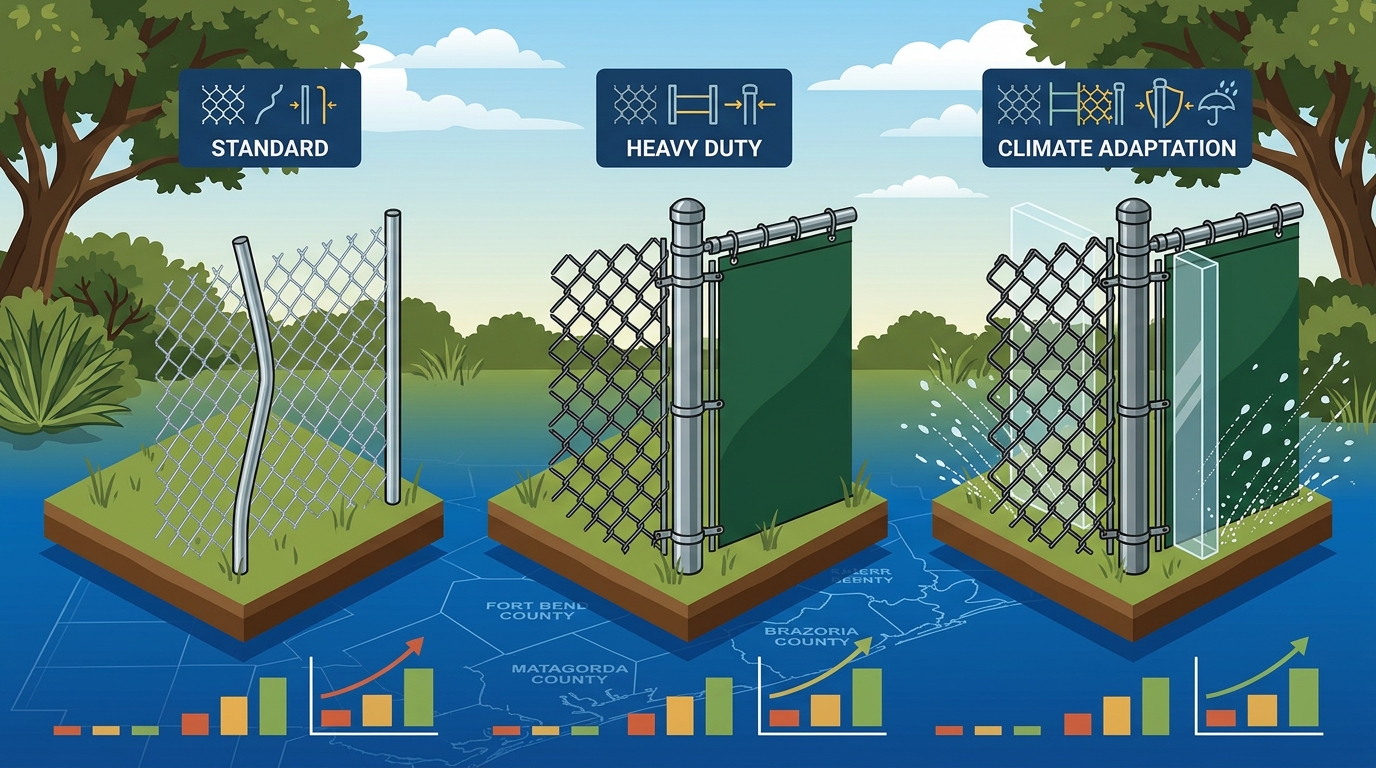
Choosing the right fence requires looking beyond the sticker price. A quality chain link fence is defined by the gauge of the wire, the coating type, and the quality of the posts. In southeast Texas, the climate demands specific materials to prevent rapid rusting and degradation.
Wire Gauge and Coating
Post Quality and Spacing
Posts are the structural backbone of the fence. Quality installations use steel or treated wood posts spaced every 10 feet. The depth of the post hole matters significantly. In sandy soils common in the region, posts must be set deep enough to prevent leaning. A reputable installer will specify the post material and depth in their quote.
Questions to Ask Before Committing
Before signing a contract, you must clarify the scope of work. Vague quotes lead to surprise costs. Ask specific questions to ensure you are comparing like-for-like options.
Material Specifications
Labor and Site Prep
Verifying Credentials and Claims
Verifying a contractor's credentials protects your investment. A legitimate fence company is a licensed and insured business entity. You can verify insurance by asking for a certificate of liability insurance. This document should name you as an additional insured for the duration of the project.
Check Local References
Ask for references from recent projects in your specific area. Call these references and ask about the crew's professionalism and the final result. Check online reviews for consistency in feedback. A company with a long history in the region, such as Superior Fence Services, often has a track record you can verify through local community feedback.
The Installation Process and Timeline
Understanding the installation process helps you plan for the project. A standard residential chain link fence installation is a multi-step process that typically takes 1 to 3 days depending on the length and complexity.
Site Measurement and Layout
The process begins with a site visit. The installer measures the perimeter and marks the layout. They identify obstacles like trees, irrigation lines, or utility poles. This step ensures the fence follows the property line accurately.
Post Setting and Tensioning
Next, holes are dug for the posts. Posts are set in concrete or compacted soil. Once the posts are secure, the chain link fabric is unrolled and attached to the posts. Tension wires are installed to keep the fabric tight. Gates are installed last. The entire process requires specialized tools and experience to ensure the fence is straight and secure.
Detailed Cost Breakdown
The total cost of a chain link fence is driven by materials, labor, and site conditions. In southeast Texas, prices fluctuate based on steel costs and local labor rates. Here is a breakdown of the typical cost components. according to Section 9060 Chain
| Component | Standard Residential (4ft) | Heavy Duty (6ft) | Notes |
|---|
Common Mistakes to Avoid
Homeowners often make mistakes that lead to poor results or higher costs. Understanding these pitfalls helps you avoid them.
Ignoring Soil Conditions
Southeast Texas has sandy soil in many areas. Standard post setting may not be sufficient. If posts are not set deep enough or in concrete, they can lean or pull out over time. Always ask about the post setting method for your specific soil type.
Underestimating Gate Needs
Many homeowners forget to budget for gates. A standard walk gate is an additional cost. If you need a double gate for vehicles, the cost increases significantly. Plan your gate needs before getting quotes to ensure they are included.
Chain Link vs. Other Fence Types
Chain link is often the most affordable option, but it is not the only choice. Comparing it to other fence types helps you decide if it fits your needs.
Wood Fences
Vinyl Fences
Costs for Specific Property Types
The cost of a chain link fence varies by property type. Residential, commercial, and agricultural properties have different requirements.
Residential Properties
Commercial and Agricultural
Commercial and agricultural fences often require heavier gauge wire and taller heights. A 6-foot or 7-foot fence with barbed wire top is common for livestock. These fences cost more per linear foot due to the heavier materials and additional hardware. Superior Fence Services offers specialized solutions for these needs, including ranch rail and ornamental fences.
Local Rules and Consumer Protections
Understanding local rules and consumer protections is essential. In Texas, homeowners have the right to receive a written contract before work begins. This contract should detail the scope of work, materials, and total cost.
Permits and HOA Rules
Check with your local municipality for permit requirements. Some areas require permits for fence installation. If you live in a community with a Homeowners Association (HOA), you must get approval before installing a fence. HOAs often have specific rules about fence height, color, and style. Non-compliance can result in fines or forced removal.
Southeast Texas Local Factors
Southeast Texas has unique environmental factors that affect fence installation. The region is prone to high winds and humidity. These conditions impact the choice of materials and installation methods.
Wind and Humidity
High winds can put stress on fence posts. In coastal areas, salt air accelerates rusting. Vinyl-coated chain link is a good choice for these areas because it resists rust and UV damage. Galvanized wire may rust faster in coastal environments. Choose materials that are rated for coastal or high-humidity conditions.
Soil and Drainage
Sandy soil is common in Brazoria and Matagonda counties. This soil type requires careful post setting. Concrete footings are often necessary to ensure stability. Poor drainage can cause water to pool around posts, leading to rot in wood posts or rust in metal posts. Proper grading and drainage are important for long-term fence stability.
Timing Your Installation
Timing your installation can affect the cost and quality of the work. Spring and fall are the peak seasons for fence installation. During these times, contractors are busy, and prices may be higher. Scheduling in the off-season, such as winter, may result in lower prices and faster service.
Weather Considerations
Weather can delay installation. Rainy weather makes it difficult to set posts in concrete. Extreme heat can make working conditions uncomfortable for crews. Plan for potential delays due to weather. A reputable contractor will communicate any delays promptly.
Long-Term Durability and Maintenance
A well-installed chain link fence is a long-term investment. With proper maintenance, it can last 20 to 30 years. The key to longevity is choosing the right materials and ensuring proper installation.
Maintenance Requirements
Chain link fences require minimal maintenance. Periodic inspections for rust or loose hardware are sufficient. If you notice rust spots, they can be treated with a rust converter and paint. Gates may need lubrication to ensure smooth operation. Regular maintenance extends the life of the fence and keeps it looking good.
Key Takeaways
- Material quality, specifically wire gauge and coating, significantly impacts both cost and longevity.
- Site preparation, including old fence removal and concrete footings, can add to the total cost.
- Always verify a contractor's insurance and ask for local references before signing a contract.
- Sandy soil in the region often requires concrete footings for post stability.
- Check local permit requirements and HOA rules before starting your project.
- Scheduling in the off-season may result in lower prices and faster service.
- Proper installation and minimal maintenance can ensure a chain link fence lasts 20 to 30 years.
Frequently Asked Questions
How much does a 100-foot chain link fence cost in Texas?
Is vinyl-coated chain link worth the extra cost?
Yes, vinyl-coated chain link is worth the extra cost in southeast Texas. The coating resists rust and UV damage, which is crucial in the humid and coastal climate. It also provides a cleaner, more uniform appearance.
Do I need a permit to install a chain link fence in Brazoria County?
Permit requirements vary by municipality within Brazoria County. It is best to check with your local city or county building department. Some areas require permits for fences over a certain height or near property lines.
How long does it take to install a chain link fence?
A standard residential chain link fence installation typically takes 1 to 3 days. The exact timeline depends on the length of the fence, site conditions, and weather. Larger commercial projects may take longer.
Can I install a chain link fence myself?
Yes, you can install a chain link fence yourself. However, it requires specialized tools and experience. DIY installation can save on labor costs but may result in a less professional finish. If you are not experienced, hiring a professional is recommended.
What is the difference between 9-gauge and 11-gauge chain link?
9-gauge chain link is heavier and more durable than 11-gauge. It is better suited for high-security or commercial applications. 11-gauge is standard for residential use and is more affordable. Choose the gauge based on your security needs and budget.
Conclusion
Installing a chain link fence in southeast Texas is a cost-effective way to secure your property. By understanding the costs, choosing quality materials, and hiring a reputable installer, you can ensure a durable and long-lasting result. Superior Fence Services offers free estimates and expert advice for homeowners and businesses in Brazoria, Matagonda, and Fort Bend counties. Contact them today to get a quote for your project.